Labels

Showing posts with label Economic. Show all posts

BNP Paribas Arbitrage Issuance B.V. ZT MSCI Daily TR Net EM Indonesia Local 31Dec99 Certificate

October 12, 2025

Overview of Financial Instruments and Market Trends
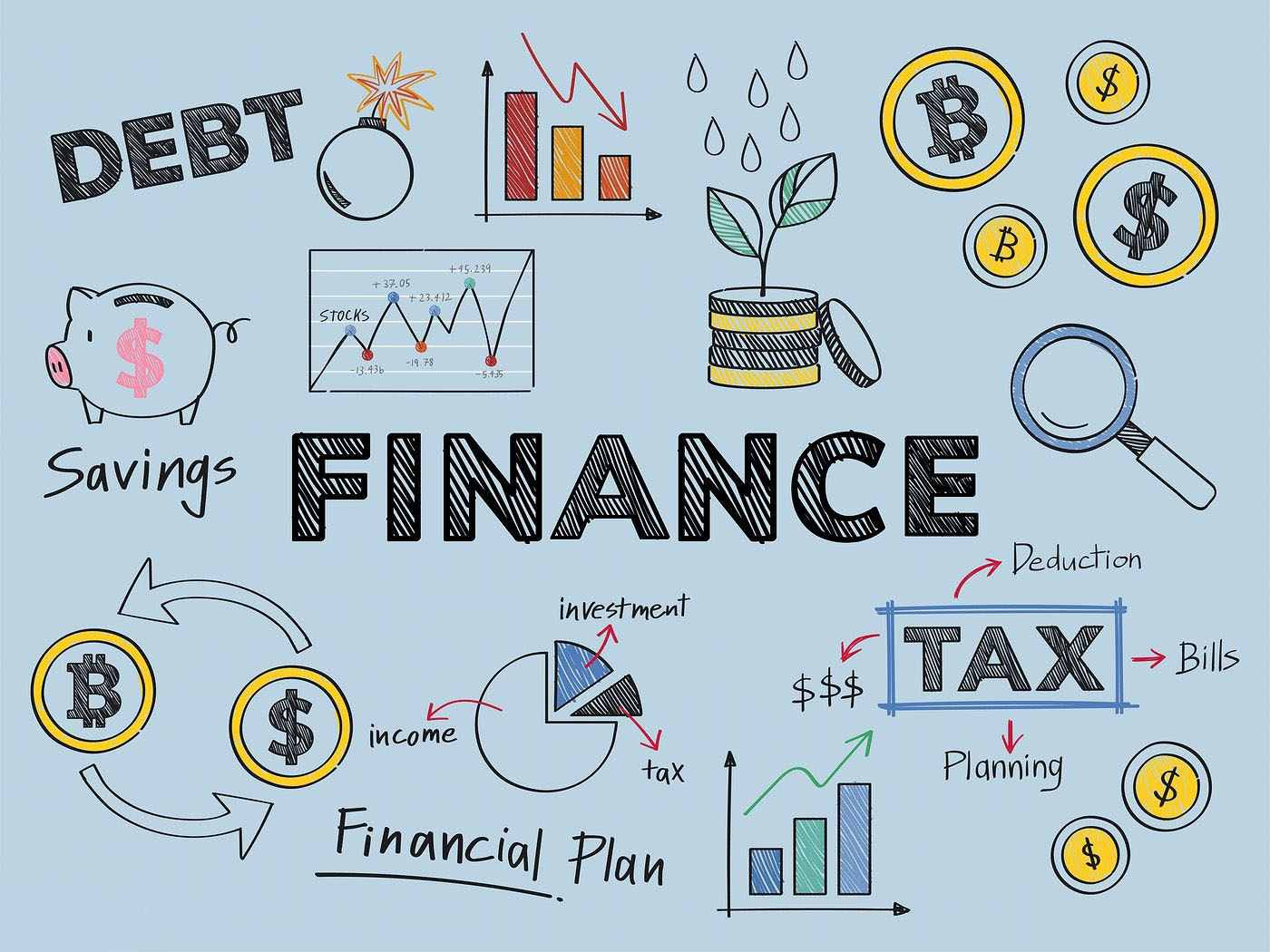
Financial market trends with stock indices, cryptocurrency prices, and commodity charts

The financial landscape is a complex ecosystem that includes various types of instruments such as equities, indices, commodities, currencies, cryptocurrencies, bonds, and certificates. These instruments are essential for investors looking to diversify their portfolios and manage risk effectively. Understanding the dynamics of each category can provide valuable insights into market behavior and investment opportunities.

Key Instrument Types

  1. Equities: Represent ownership in companies and are traded on stock exchanges. They offer potential for capital appreciation and dividends.
  2. Indices: Track the performance of a group of stocks or other assets, providing a benchmark for market trends.
  3. ETFs (Exchange-Traded Funds): These funds trade like stocks but represent a basket of assets, offering diversification and flexibility.
  4. Commodities: Include precious metals, energy resources, and agricultural products, often used as hedges against inflation.
  5. Currencies: Involve trading between different national currencies, influenced by interest rates, economic indicators, and geopolitical events.
  6. Cryptocurrencies: Digital or virtual currencies that use cryptography for security, with Bitcoin and Ethereum being the most prominent.
  7. Bonds: Debt securities issued by governments or corporations, providing fixed income to investors.
  8. Certificates: Financial instruments that represent a claim on an underlying asset or index, often used for speculative purposes.

Market Trends and Analysis

Recent market trends highlight significant movements across various financial instruments. For instance, gold and silver prices have seen increased forecasts from major institutions like UBS, reflecting investor confidence in these safe-haven assets. Meanwhile, the cryptocurrency market continues to show volatility, with Bitcoin's price fluctuating around $120,000, driven by seasonal optimism and market sentiment.

Cryptocurrency and Altcoins

Bitcoin's recent surge above $120,000 has captured the attention of investors, while altcoins remain rangebound. This divergence underscores the importance of understanding the unique characteristics and market dynamics of each cryptocurrency. Investors should consider factors such as market capitalization, technological advancements, and regulatory developments when making investment decisions.

Economic Indicators and Market Sentiment

Economic indicators play a crucial role in shaping market sentiment. The U.S. Dollar Index, which measures the value of the U.S. dollar against a basket of foreign currencies, has shown slight declines, indicating potential shifts in global currency markets. Additionally, key economic data such as employment figures, inflation rates, and GDP growth can significantly impact investor behavior and market trends.

Investment Strategies and Risk Management

Effective investment strategies require a thorough understanding of market conditions and risk management techniques. Investors should consider diversifying their portfolios across different asset classes to mitigate risk. For example, combining equities with bonds and commodities can provide a balanced approach to investing.

Technical Analysis and Charting Tools

Technical analysis involves using historical price data and charting tools to identify patterns and trends. Tools such as moving averages, candlestick patterns, and Fibonacci levels can help investors make informed decisions. The availability of real-time charts and interactive tools enhances the ability to monitor market movements and adjust strategies accordingly.

Conclusion

In conclusion, the financial markets are dynamic and multifaceted, offering numerous opportunities for investors. By understanding the different instrument types, analyzing market trends, and employing effective investment strategies, investors can navigate the complexities of the financial landscape. Staying informed about economic indicators, regulatory changes, and technological advancements is essential for making well-informed investment decisions. As the market continues to evolve, adaptability and continuous learning will be key to achieving long-term financial goals.

0 comments
Categories Economic

Commerzbank AG ZT BASF 31Dec99 Certificate

October 12, 2025

Market Overview and Financial Instruments

Financial market trends and investment instruments

The financial market is a dynamic and ever-evolving landscape that encompasses a wide range of instruments, including equities, indices, commodities, currencies, cryptocurrencies, bonds, ETFs, and more. These instruments are essential for investors seeking to diversify their portfolios and manage risk effectively. The current market environment is characterized by fluctuating prices, shifting economic conditions, and evolving investor sentiment.

Key Financial Instruments

  • Indices: Indices such as the S&P 500, Dow Jones, and Nasdaq provide a snapshot of the performance of a specific segment of the stock market. They are crucial for gauging overall market trends and investor confidence.
  • Equities: Stocks represent ownership in a company and offer potential for capital appreciation and dividend income. Popular stocks like Apple, Tesla, and Amazon continue to attract significant attention from investors.
  • ETFs (Exchange-Traded Funds): ETFs allow investors to gain exposure to a broad range of assets with a single purchase. They are known for their flexibility and cost-effectiveness.
  • Commodities: Commodities such as gold, silver, crude oil, and natural gas play a vital role in hedging against inflation and providing diversification benefits.
  • Currencies: The foreign exchange market is the largest financial market globally, offering opportunities for trading various currencies based on economic indicators and geopolitical events.
  • Cryptocurrencies: Cryptocurrencies like Bitcoin and Ethereum have gained popularity due to their potential for high returns, although they come with significant volatility and regulatory risks.
  • Bonds: Bonds are debt instruments that provide regular income to investors. They are often considered a safer investment option compared to stocks.
  • Certificates: Certificates, such as those issued by Commerzbank AG, offer leveraged exposure to underlying assets. They can be complex and require careful consideration due to their inherent risks.

Market Trends and Analysis

Recent market trends indicate a mix of optimism and caution among investors. For instance, the price of gold has seen an upward trend, with analysts raising their forecasts. Similarly, the cryptocurrency market has experienced fluctuations, with Bitcoin surpassing $120,000, driven by seasonal optimism. However, altcoins remain rangebound, reflecting the challenges faced by smaller cryptocurrencies in gaining traction.

Economic Indicators and Market Sentiment

Economic indicators such as interest rates, inflation data, and employment figures significantly influence market sentiment. Investors closely monitor these indicators to make informed decisions. Additionally, the performance of major indices like the S&P 500 and Nasdaq provides insights into the overall health of the economy and investor confidence.

Investment Strategies and Considerations

Investors must adopt a strategic approach when navigating the financial markets. Key considerations include:

  • Risk Management: Diversifying investments across different asset classes can help mitigate risk. It is essential to understand the risks associated with each instrument before making investment decisions.
  • Market Research: Staying informed about market trends, economic developments, and company performance is crucial for making sound investment choices.
  • Long-Term vs. Short-Term Goals: Investors should align their strategies with their financial goals, whether they are focused on long-term growth or short-term gains.

Conclusion

The financial market offers a vast array of instruments and opportunities for investors. Understanding the nuances of each instrument, staying informed about market trends, and adopting a well-thought-out investment strategy are essential for success. As the market continues to evolve, investors must remain adaptable and vigilant to navigate the complexities of the financial landscape effectively.

0 comments
Categories Economic

Commerzbank AG ZT ArcelorMittal S.A. 31Dec99 Certificate

October 12, 2025

Understanding the Financial Instruments Market

Financial Instruments Market Overview

The financial instruments market is a complex and dynamic space that includes a wide range of assets such as stocks, bonds, commodities, currencies, and cryptocurrencies. This market plays a crucial role in the global economy by facilitating the flow of capital and enabling investors to manage risk and seek returns. The market is divided into several categories, each with its own unique characteristics and investment opportunities.

Key Categories of Financial Instruments

  1. Equities: These are shares of ownership in a company. Investors buy equities to gain a stake in a company's profits and growth. The stock market is one of the most liquid and accessible forms of investing, offering a wide range of options from large-cap to small-cap companies.

  2. Indices: Indices represent the performance of a group of stocks or other financial instruments. They serve as benchmarks for measuring the overall health of the market. Popular indices include the S&P 500, Dow Jones Industrial Average, and Nasdaq Composite.

  3. ETFs (Exchange-Traded Funds): ETFs are investment funds that trade on stock exchanges like individual stocks. They offer diversification and can track a variety of assets, including indices, commodities, and sectors. ETFs are popular among both retail and institutional investors due to their flexibility and cost-effectiveness.

  4. Commodities: These are raw materials or primary agricultural products that can be bought and sold, such as gold, oil, and wheat. Commodities are often used as a hedge against inflation and provide a way to diversify an investment portfolio.

  5. Currencies: The foreign exchange market is the largest financial market in the world, where currencies are traded. It involves buying one currency while selling another, based on the expectation of future value changes.

  6. Cryptocurrencies: Digital or virtual currencies that use cryptography for security. Bitcoin, Ethereum, and others have gained significant attention due to their potential for high returns and technological innovation.

  7. Bonds: These are debt securities issued by governments or corporations to raise capital. Bonds typically offer fixed income to investors and are considered less risky than stocks.

  8. Certificates: These are financial instruments that represent a specific amount of money or a specific asset. They can be used for various purposes, including investments and derivatives.

  9. Funds: These are pools of money collected from multiple investors to invest in a diversified portfolio. Funds can be managed by professionals and offer various types of investments, such as mutual funds, hedge funds, and index funds.

The Role of Financial Instruments in Investment Strategies

Financial instruments play a vital role in shaping investment strategies. Investors use these tools to achieve their financial goals, whether it's wealth accumulation, income generation, or risk management. By understanding the different types of financial instruments, investors can make informed decisions that align with their risk tolerance and investment objectives.

Diversification and Risk Management

Diversification is a key strategy in managing risk. By investing in a variety of financial instruments, investors can reduce the impact of market volatility on their portfolios. For example, combining stocks with bonds and commodities can help balance the risks associated with each asset class.

Income Generation

Some financial instruments, such as bonds and dividend-paying stocks, provide regular income to investors. This can be particularly appealing to those seeking a steady stream of cash flow, such as retirees or individuals looking to supplement their income.

Capital Appreciation

Investors also look to financial instruments for capital appreciation, which refers to the increase in the value of an investment over time. Stocks and cryptocurrencies, for instance, have the potential for significant growth, although they come with higher risks.

Current Trends in the Financial Instruments Market

The financial instruments market is constantly evolving, influenced by economic conditions, technological advancements, and regulatory changes. Recent trends include:

  • Rise of Cryptocurrencies: The popularity of cryptocurrencies has surged, with many investors viewing them as a new asset class. However, their volatile nature requires careful consideration.

  • Increased Focus on ESG Investing: Environmental, Social, and Governance (ESG) factors are becoming increasingly important in investment decisions. Many investors are now prioritizing sustainable and ethical investments.

  • Technological Innovation: Advances in technology, such as blockchain and artificial intelligence, are transforming the financial instruments market. These innovations are enhancing transparency, efficiency, and accessibility for investors.

  • Globalization of Markets: The interconnectedness of global markets means that events in one region can have far-reaching effects on financial instruments worldwide. This highlights the importance of staying informed about international developments.

Conclusion

Understanding the financial instruments market is essential for any investor looking to navigate the complexities of modern finance. By exploring the various categories of financial instruments and considering current trends, investors can make informed decisions that align with their financial goals. Whether seeking capital appreciation, income generation, or risk management, the right mix of financial instruments can help achieve long-term success in the ever-changing market landscape.

0 comments
Categories Economic

Commerzbank AG Daimler AG Certificate December 31 1999

October 11, 2025

Market Overview and Key Financial Instruments

Global Financial Markets Overview with Diverse Investment Instruments

The financial markets are a dynamic landscape where various instruments such as indices, equities, ETFs, commodities, currencies, cryptocurrencies, bonds, and certificates play significant roles. These instruments offer investors a wide range of opportunities to diversify their portfolios and manage risk effectively.

Indices and Equities

Indices serve as benchmarks for the performance of specific segments of the market. Major indices like the S&P 500, Dow Jones, and Nasdaq provide insights into the overall health of the stock market. Equities, or stocks, represent ownership in companies and can be traded on exchanges. The performance of individual stocks is influenced by factors such as company earnings, economic conditions, and investor sentiment.

ETFs and Funds

Exchange-Traded Funds (ETFs) and mutual funds allow investors to gain exposure to a diversified portfolio of assets with a single investment. ETFs trade on stock exchanges like individual stocks, while mutual funds are bought and sold at the end of each trading day. Both types of funds offer varying levels of risk and return, depending on the underlying assets.

Commodities and Currencies

Commodities such as gold, silver, crude oil, and natural gas are essential resources that can be traded on global markets. Their prices are often influenced by supply and demand dynamics, geopolitical events, and economic indicators. Currencies, including the US Dollar, Euro, and Japanese Yen, are also traded in foreign exchange markets, where their values fluctuate based on interest rates, inflation, and economic stability.

Cryptocurrencies

Cryptocurrencies like Bitcoin, Ethereum, and others have gained popularity as alternative investments. They operate on decentralized networks and offer unique opportunities for growth, although they are known for their volatility. The price of cryptocurrencies can be affected by market sentiment, regulatory developments, and technological advancements.

Bonds and Certificates

Bonds are debt instruments issued by governments or corporations to raise capital. They provide regular interest payments and return the principal at maturity. Certificates, such as those issued by banks, can offer higher returns than traditional savings accounts but may come with additional risks.

Recent Market Trends and Analysis

Recent trends in the financial markets indicate a mix of optimism and caution among investors. For instance, gold and silver price forecasts have been raised by major institutions like UBS, reflecting confidence in their long-term value. Similarly, the Bitcoin price has seen an upward trend, surpassing $120,000 due to seasonal optimism and increased adoption.

Impact of High Valuations

High valuations in certain sectors can lead to bear markets if investors become overly optimistic and push prices beyond sustainable levels. Analysts are closely watching how these valuations will affect market stability and investor behavior in the coming months.

Investment Opportunities and Strategies

Investors are exploring various strategies to capitalize on market opportunities. Some are focusing on healthcare stocks, which are positioned to benefit from potential deals involving major players like Trump and Pfizer. Others are looking at gold mining stocks and Warren Buffett's preferred stocks, which offer value, dividends, and upside potential.

Tools and Resources for Investors

Investors have access to a range of tools and resources to make informed decisions. Real-time charts, technical analysis, and candlestick patterns help in understanding market trends. Additionally, economic calendars and news updates keep investors informed about key events that could impact the markets.

Conclusion

The financial markets are complex and ever-changing, presenting both challenges and opportunities for investors. By understanding the various instruments available and staying informed about market trends, investors can make more strategic decisions. Whether through traditional assets like stocks and bonds or newer ones like cryptocurrencies, the key is to diversify and manage risk effectively.

0 comments
Categories Economic

Commerzbank AG ZT Deutsche Bank 31Dec99 Certificate

October 11, 2025

Overview of Financial Instruments and Market Trends

Financial market trends and investment opportunities

The financial markets are a dynamic ecosystem where various instruments such as stocks, indices, commodities, currencies, and cryptocurrencies interact. These instruments provide investors with opportunities to diversify their portfolios and manage risks effectively. Understanding the current trends in these markets is essential for making informed investment decisions.

Key Financial Instruments

  • Indices: Indices like the S&P 500, Dow Jones, and Nasdaq represent the performance of a specific segment of the market. They serve as benchmarks for evaluating investment strategies.
  • Equities: Stocks represent ownership in a company. Investors can buy and sell shares based on their expectations of the company's future performance.
  • ETFs (Exchange-Traded Funds): ETFs allow investors to gain exposure to a broad range of assets with a single purchase. They are often used for diversification and cost-effective investing.
  • Commodities: Commodities such as gold, silver, crude oil, and natural gas are essential for various industries. Their prices can be influenced by supply and demand dynamics, geopolitical events, and economic indicators.
  • Currencies: Currency pairs like EUR/USD and USD/JPY reflect the relative value of different currencies. Exchange rates can impact international trade and investment flows.
  • Cryptocurrencies: Digital assets like Bitcoin and Ethereum have gained popularity due to their potential for high returns. However, they are also known for their volatility and regulatory uncertainties.

Current Market Trends

The financial markets are currently experiencing several notable trends that investors should be aware of:

  • Gold and Silver Price Forecasts: UBS has raised its price forecasts for gold and silver, indicating a positive outlook for these precious metals. This could be attributed to factors such as inflation concerns and economic uncertainty.
  • Bitcoin Price Movement: The price of Bitcoin has recently surpassed $120,000, driven by seasonal optimism and increased interest from institutional investors. However, altcoins remain rangebound, suggesting a more cautious approach to alternative cryptocurrencies.
  • High Valuations and Bear Markets: There is ongoing debate about whether high valuations can lead to bear markets. Some analysts argue that overvalued assets may face corrections, while others believe that strong fundamentals can sustain growth.

Analysis of Investment Opportunities

Investors are constantly seeking opportunities to maximize returns while managing risks. Here are some key areas to consider:

Healthcare Stocks

Healthcare stocks are positioned to benefit from recent developments, including the Trump-Pfizer deal. Companies in this sector may see increased demand for medical products and services, making them attractive investments.

Gold Mining Stocks

With the rising price forecasts for gold, gold mining stocks could offer significant upside potential. Investors looking for exposure to the precious metals market might consider these stocks as part of their portfolio.

Warren Buffett Stocks

Warren Buffett's investment philosophy emphasizes value, dividends, and long-term growth. Stocks that align with these principles, such as those in the energy, consumer goods, and financial sectors, may present compelling opportunities for investors.

Technical Analysis and Market Insights

Technical analysis plays a crucial role in understanding market trends and making informed trading decisions. Here are some key insights:

Moving Averages

Moving averages help identify trends and potential entry or exit points for trades. Currently, the moving averages indicate a strong buy signal, suggesting that the market is in an upward trend.

Technical Indicators

Various technical indicators, such as the Relative Strength Index (RSI) and the Moving Average Convergence Divergence (MACD), can provide valuable insights into market conditions. These indicators suggest that the market is in a strong buy zone, indicating potential for further gains.

Candlestick Patterns

Candlestick patterns, such as the Bullish Engulfing and Tri-Star Bullish, can signal potential reversals or continuations of trends. Recent patterns suggest a positive outlook for the market, with potential for continued growth.

Market Sentiment and Investor Behavior

Market sentiment is influenced by a variety of factors, including economic data, geopolitical events, and investor psychology. Understanding these sentiments can help investors make better-informed decisions.

Investor Sentiment

Investor sentiment can be gauged through various metrics, such as the VIX (Volatility Index) and trading volumes. A low VIX reading indicates complacency, while high volumes suggest increased activity and potential for price movements.

Social Media and News Impact

Social media platforms and news outlets play a significant role in shaping market sentiment. Positive news about a company or sector can drive up stock prices, while negative news can lead to sell-offs. Investors should stay informed about relevant news and trends.

Conclusion

The financial markets are complex and ever-changing, presenting both opportunities and challenges for investors. By staying informed about market trends, analyzing investment opportunities, and understanding technical indicators, investors can make more informed decisions. Whether focusing on equities, commodities, or cryptocurrencies, a well-diversified portfolio and a long-term perspective are essential for navigating the markets successfully.

0 comments
Categories Economic

Commerzbank AG ZT Deutsche Boerse 31Dec99 Certificate

October 11, 2025

Overview of Financial Instruments and Market Trends

Financial market analysis with candlestick charts and technical indicators

The financial market is a complex ecosystem that encompasses a wide range of instruments, each with its own characteristics and risk profiles. Investors and traders navigate this landscape by analyzing various asset classes such as equities, indices, commodities, currencies, cryptocurrencies, bonds, and certificates. Understanding these instruments is essential for making informed investment decisions.

Key Financial Instruments

  • Equities: Represent ownership in a company and are traded on stock exchanges. They offer potential for capital appreciation and dividends.
  • Indices: Track the performance of a group of stocks or other assets, providing a benchmark for market trends.
  • Commodities: Include raw materials like gold, oil, and agricultural products, which are essential for economic activity.
  • Currencies: Exchange rates fluctuate based on economic indicators, political stability, and global events.
  • Cryptocurrencies: Digital assets like Bitcoin and Ethereum, known for their volatility and potential for high returns.
  • Bonds: Debt securities issued by governments or corporations, offering fixed income to investors.
  • Certificates: Financial instruments that derive their value from an underlying asset, often used for speculation or hedging.

Market Analysis and Trends

Recent market analysis highlights several key trends that investors should be aware of:

  • Gold and Silver Price Forecasts: UBS has raised its forecasts for gold and silver prices, indicating a potential increase due to factors like inflation and geopolitical tensions.
  • Bitcoin Price Movements: Bitcoin's price has risen above $120,000, driven by seasonal optimism and investor sentiment. However, altcoins remain rangebound, suggesting a lack of significant movement.
  • High Valuations and Bear Markets: There is ongoing debate about whether high valuations can lead to bear markets. Analysts suggest that while high valuations may signal overconfidence, they do not necessarily predict market downturns.

Investment Opportunities and Strategies

Investors looking to capitalize on current market conditions may consider the following strategies:

  • Healthcare Stocks: With the Trump-Pfizer deal, certain healthcare stocks are positioned to soar, offering potential for growth.
  • Gold Mining Stocks: The best gold mining stocks are being identified as attractive investments due to the rising demand for gold.
  • Warren Buffett Stocks: Stocks from companies associated with Warren Buffett are seen as offering value, dividends, and upside potential.

Technical Analysis and Candlestick Patterns

Technical analysis plays a crucial role in understanding market trends and making informed trading decisions. Key elements include:

  • Moving Averages: Indicate the average price of an asset over a specific period, helping to identify trends.
  • Technical Indicators: Tools like RSI and MACD provide insights into market momentum and potential reversals.
  • Candlestick Patterns: These patterns, such as engulfing and doji stars, can signal potential trend changes and are widely used by traders.

Market Indices and Performance

Market indices provide a snapshot of overall market performance. Recent data shows:

  • S&P 500: Increased by 0.42%, reflecting positive sentiment in the equity market.
  • Nasdaq: Slightly up by 0.25%, indicating continued interest in tech stocks.
  • Dow Jones: Gained 0.77%, showing strength in industrial and manufacturing sectors.

Commodities and Energy Prices

The commodities market is influenced by supply and demand dynamics, as well as global events:

  • Crude Oil WTI: Rose by 0.84%, driven by increased demand and geopolitical tensions.
  • Brent Oil: Increased by 0.76%, reflecting similar market conditions.
  • Natural Gas: Experienced a decline of 2.47%, possibly due to seasonal factors and supply adjustments.

Cryptocurrency and Market Volatility

Cryptocurrencies continue to attract attention due to their volatility and potential for high returns:

  • Bitcoin: Surpassed $120,000, fueled by investor optimism and institutional interest.
  • Ethereum and Other Altcoins: Remain rangebound, indicating a lack of significant movement and uncertainty in the market.

Currency Exchange Rates

Currency exchange rates are influenced by economic indicators and global events:

  • USD Index: Slightly down by 0.18%, indicating a weaker dollar against other major currencies.
  • EUR/USD: Reflects the relative strength of the euro against the dollar, influenced by European economic data.

Bonds and Interest Rates

Bonds are a crucial part of the financial market, offering fixed income to investors:

  • U.S. Treasury Yields: Showed slight increases, indicating higher expectations for inflation and economic growth.
  • Euro Bund: Remained stable, reflecting the strong position of the German economy.

Certificates and Derivatives

Financial instruments like certificates and derivatives offer unique opportunities for investors:

  • Commerzbank AG ZT Deutsche Boerse 31Dec99: This certificate has shown a decrease in value, reflecting market conditions and investor sentiment.
  • Other Certificates: Various certificates linked to different assets are available, providing diverse investment options.

Conclusion

Navigating the financial market requires a comprehensive understanding of various instruments and their performance. By staying informed about market trends, technical analysis, and investment opportunities, investors can make more informed decisions. As the market continues to evolve, it is essential to remain adaptable and responsive to changing conditions.

0 comments
Categories Economic

Endless Index Certificate on Hydrogen and Fuel Cell Index DELS9NCK

October 11, 2025

Overview of Financial Instruments and Market Trends

Financial market trends and investment instruments

The financial markets are a complex ecosystem that includes various types of instruments such as indices, equities, ETFs, funds, commodities, currencies, cryptocurrencies, bonds, and certificates. Each of these plays a crucial role in shaping the global economic landscape and offers unique opportunities for investors. Understanding these instruments is essential for making informed decisions and navigating the dynamic nature of financial markets.

Key Financial Instruments and Their Characteristics

Indices

Indices serve as benchmarks for measuring the performance of a specific segment of the market. They can be based on a group of stocks, commodities, or other assets. Major indices like the S&P 500, Dow Jones, and Nasdaq provide insights into the overall health of the stock market. These indices are often used by investors to gauge market trends and make strategic investment decisions.

Equities

Equities represent ownership in a company and offer potential for capital appreciation and dividends. Investors can choose from a wide range of stocks, each with its own risk profile and growth potential. The performance of individual stocks can be influenced by various factors, including company earnings, industry conditions, and broader economic indicators.

ETFs (Exchange-Traded Funds)

ETFs are investment funds that trade on stock exchanges, similar to individual stocks. They offer diversification and are often used to gain exposure to a broad range of assets. ETFs can track indices, commodities, or other financial instruments, making them a versatile tool for investors looking to build a well-rounded portfolio.

Funds

Funds encompass a variety of investment vehicles, including mutual funds and hedge funds. These funds pool money from multiple investors to invest in a diversified portfolio of assets. They are managed by professional fund managers who aim to generate returns while managing risks.

Commodities

Commodities include natural resources such as gold, oil, and agricultural products. These assets are often considered a hedge against inflation and can provide stability during times of economic uncertainty. The prices of commodities are influenced by supply and demand dynamics, geopolitical events, and macroeconomic factors.

Currencies

Currencies are essential for international trade and investment. Exchange rates fluctuate based on various factors, including interest rates, economic data, and political developments. Currency trading allows investors to speculate on the value of different currencies and potentially profit from these fluctuations.

Cryptocurrencies

Cryptocurrencies, such as Bitcoin and Ethereum, have gained significant attention in recent years. These digital assets operate on decentralized networks and offer an alternative to traditional financial systems. The volatility of cryptocurrencies can present both opportunities and risks for investors, requiring careful consideration and research.

Bonds

Bonds are debt instruments issued by governments or corporations to raise capital. They provide regular interest payments and return the principal at maturity. Bonds are generally considered lower risk compared to equities and can be an attractive option for conservative investors seeking steady income.

Certificates

Certificates are financial instruments that represent a claim on an underlying asset or index. They can be structured to offer various levels of leverage and are often used for speculative purposes. Certificates can be complex and may involve higher risks, making it essential for investors to understand their characteristics before investing.

Market Trends and Investor Sentiment

Recent market trends indicate a growing interest in certain financial instruments, particularly in the cryptocurrency and commodity sectors. For instance, the price of Bitcoin has shown significant movement, with recent gains driven by seasonal optimism and increased adoption. Altcoins, however, remain rangebound, reflecting the cautious approach of many investors.

In the commodities market, gold and silver prices have seen upward trends, with analysts raising their forecasts for these precious metals. This increase is attributed to factors such as inflation concerns and the search for safe-haven assets. Similarly, the price of crude oil has been influenced by supply-side dynamics and geopolitical tensions, impacting energy markets globally.

Investor sentiment plays a crucial role in shaping market movements. Positive sentiment can drive demand for certain assets, while negative sentiment can lead to sell-offs. The performance of major indices, such as the S&P 500 and Nasdaq, reflects the overall mood of the market and can influence investor behavior.

Technical Analysis and Investment Strategies

Technical analysis involves evaluating historical price data and trading volumes to identify patterns and trends. This approach can help investors make informed decisions about when to buy or sell assets. Various technical indicators, such as moving averages and candlestick patterns, are used to assess market conditions and potential future movements.

For example, the ENDLOS INDEXZERTIFIKAT AUF LUS WIKIFOLIO-INDEX WASSERSTOFF & BRENNSTOFFZELLEN certificate has shown a positive trend, with a recent price increase of 0.38%. The technical analysis suggests a strong buy signal, indicating that the asset may be poised for further gains. However, investors should remain cautious and consider the risks associated with leveraged products.

Conclusion

Understanding the diverse range of financial instruments and market trends is essential for investors seeking to navigate the complexities of the financial world. By staying informed and employing sound investment strategies, investors can make more informed decisions and potentially achieve their financial goals. As the market continues to evolve, it is crucial to remain adaptable and responsive to changing conditions.

0 comments
Categories Economic

Brent Crude Oil Future December 31 1999 Certificate

October 11, 2025

Market Overview and Key Instruments

Technical Analysis of DZ Bank Zentral-Genossenschaftsbank AG ZT Brent Crude Oil Future 31Dec99

The global financial market is a complex ecosystem where various instruments such as indices, equities, ETFs, commodities, currencies, cryptocurrencies, bonds, and certificates play significant roles. These instruments are essential for investors to track market performance, make informed decisions, and manage their portfolios effectively.

Indices

Indices serve as benchmarks for measuring the performance of specific markets or sectors. Major indices like the Dow Jones, S&P 500, and Nasdaq provide insights into the overall health of the stock market. For instance, the S&P 500 has shown steady growth, reflecting positive investor sentiment and economic stability. Similarly, the Nasdaq, known for its tech-heavy composition, has also seen improvements, driven by strong earnings from leading technology companies.

Equities

Equities represent ownership in a company and are among the most common investment vehicles. Investors often look at individual stocks to identify potential opportunities. For example, companies like Apple, Tesla, and Amazon have consistently performed well, offering both capital appreciation and dividend income. The stock market is influenced by various factors, including economic indicators, corporate earnings, and geopolitical events.

ETFs

Exchange-Traded Funds (ETFs) offer a diversified approach to investing, allowing investors to gain exposure to a broad range of assets with a single purchase. Popular ETFs include the SPDR S&P 500 and the iShares MSCI Emerging Markets. These funds provide flexibility and lower costs compared to traditional mutual funds, making them attractive to both novice and experienced investors.

Commodities

Commodities such as gold, oil, and silver are essential for investors seeking to hedge against inflation and diversify their portfolios. Gold, in particular, has been a safe-haven asset during times of economic uncertainty. Recent trends show that gold prices have increased, driven by factors such as central bank purchases and geopolitical tensions. Oil prices, on the other hand, fluctuate based on supply and demand dynamics, with Brent crude oil being a key benchmark.

Currencies

Currencies are traded in the foreign exchange (forex) market, which is the largest financial market globally. Major currency pairs like EUR/USD and USD/JPY are closely watched by traders and investors. The value of currencies can be influenced by interest rates, economic data, and political developments. For instance, the U.S. Dollar Index reflects the strength of the U.S. dollar against a basket of major currencies.

Cryptocurrencies

Cryptocurrencies have gained significant attention in recent years, with Bitcoin and Ethereum being the most prominent. The cryptocurrency market is highly volatile, presenting both opportunities and risks for investors. Recent trends indicate that Bitcoin has surpassed $120,000, fueled by seasonal optimism and increasing institutional adoption. Altcoins, however, remain rangebound, highlighting the need for careful analysis and risk management.

Bonds

Bonds are debt instruments issued by governments and corporations to raise capital. They provide a steady stream of income through coupon payments and are considered relatively safer investments compared to equities. The U.S. Treasury yield curve is a critical indicator for assessing the health of the bond market. Recent data shows that the U.S. 10-year Treasury yield has risen, reflecting improved economic outlook and inflation expectations.

Certificates

Certificates are financial instruments that offer leverage and exposure to underlying assets. They are often used by investors seeking to amplify their returns. For example, DZ Bank Zentral-Genossenschaftsbank AG's certificates on Brent Crude Oil Future 31Dec99 provide a way to speculate on oil price movements. These instruments come with inherent risks, as they are leveraged products that can result in significant losses if not managed properly.

Key Trends and Analysis

Recent market trends highlight the importance of staying informed about economic indicators, central bank policies, and geopolitical developments. For instance, the U.S. labor market data has had a significant impact on oil prices, with weaker-than-expected data leading to a decline in prices. Conversely, trade agreements between the U.S. and the European Union have boosted energy prices, reflecting improved market sentiment.

In the cryptocurrency space, the rise of Bitcoin above $120,000 has sparked renewed interest in digital assets. However, the rangebound nature of altcoins suggests that investors should exercise caution and conduct thorough research before making any investment decisions.

Technical Analysis and Candlestick Patterns

Technical analysis plays a crucial role in understanding market trends and identifying potential entry and exit points. Moving averages, technical indicators, and candlestick patterns are commonly used tools. For example, the Tri-Star Bullish pattern indicates a potential reversal in the market, while the Falling Three Methods pattern suggests a continuation of the current trend.

Conclusion

The financial market is dynamic and ever-changing, requiring investors to stay informed and adaptable. By understanding the various instruments available and analyzing market trends, investors can make more informed decisions and navigate the complexities of the financial landscape effectively. Whether it's through equities, ETFs, commodities, or cryptocurrencies, each instrument offers unique opportunities and challenges that must be carefully considered.

0 comments
Categories Economic

ZT Silver 31Dec99 Certificate

October 11, 2025

Overview of Financial Instruments and Market Trends

Gold and Silver Price Trends Amid Inflation Concerns

The financial market is a complex ecosystem that encompasses a wide range of instruments, from equities and indices to commodities, currencies, and cryptocurrencies. Each of these instruments plays a crucial role in the global economy, offering investors various opportunities for growth and diversification. Understanding the dynamics of these markets can help investors make informed decisions.

Key Financial Instruments

  • Equities: These represent ownership in a company and are traded on stock exchanges. They offer potential for capital appreciation and dividends.
  • Indices: Indices like the S&P 500, Dow Jones, and Nasdaq track the performance of a group of stocks, providing a benchmark for market trends.
  • ETFs (Exchange-Traded Funds): These funds are designed to mirror the performance of a specific index or asset class, offering a convenient way to invest in a diversified portfolio.
  • Commodities: Includes precious metals like gold and silver, as well as energy resources such as crude oil and natural gas. These are often seen as hedges against inflation.
  • Currencies: The foreign exchange market involves trading different currencies, influenced by economic indicators and geopolitical events.
  • Cryptocurrencies: Digital assets like Bitcoin and Ethereum have gained popularity, with their values fluctuating based on market sentiment and technological advancements.

Current Market Trends

Recent trends indicate a growing interest in alternative investments, particularly in the cryptocurrency space. Bitcoin has shown significant gains, surpassing $120,000 due to seasonal optimism and increased adoption. Meanwhile, altcoins remain rangebound, reflecting a cautious approach among investors.

Gold and silver prices have also seen upward movements, driven by a weakening US dollar and anticipation of the Federal Reserve's meeting minutes. This trend highlights the importance of tangible assets in times of economic uncertainty.

Analysis of Investment Strategies

Investment strategies vary widely, but some approaches have proven effective in navigating market fluctuations. One notable strategy involves focusing on high-growth sectors, such as healthcare, where companies are positioned to benefit from emerging trends and innovations.

Healthcare Stocks

Several healthcare stocks are anticipated to soar following strategic deals, such as those involving Trump and Pfizer. These partnerships can lead to significant market opportunities, especially in the pharmaceutical and biotechnology sectors.

Gold Mining Stocks

With the rising demand for precious metals, gold mining stocks are considered attractive investments. Investors are advised to look into the best gold mining stocks to capitalize on this trend.

Warren Buffett-Inspired Stocks

Stocks that align with Warren Buffett's investment philosophy—emphasizing value, dividends, and long-term growth—are also gaining traction. These stocks offer a balance between safety and potential returns.

Technical Analysis and Market Insights

Technical analysis plays a vital role in understanding market trends and making informed investment decisions. Various tools and indicators, such as moving averages and candlestick patterns, provide insights into price movements and potential future trends.

Moving Averages

Moving averages help identify trends by smoothing out price data over a specified period. A strong buy signal is often indicated when the moving average shows consistent upward momentum.

Candlestick Patterns

Candlestick patterns, such as the Three Inside Up and Doji Star Bearish, can signal potential reversals or continuations in price trends. These patterns are essential for traders looking to anticipate market movements.

Reliability of Patterns

The reliability of candlestick patterns varies, with some being more accurate than others. Traders should consider the context and volume associated with each pattern to make informed decisions.

Market News and Commentary

Recent news highlights the significance of investing in tangible assets like Bitcoin, gold, and silver. Experts like Robert Kiyosaki emphasize the importance of these assets in building wealth, especially amid rising inflation concerns.

Expert Opinions

Experts suggest that the current economic climate favors investments in precious metals and cryptocurrencies. As the US dollar weakens, the demand for these assets is expected to increase, potentially leading to higher prices.

Market Sentiment

Market sentiment is influenced by various factors, including economic indicators, geopolitical events, and investor psychology. Positive sentiment can drive prices up, while negative sentiment can lead to declines.

Conclusion

In summary, the financial market offers a diverse array of instruments and strategies for investors. Understanding the nuances of each instrument and staying informed about market trends is crucial for making sound investment decisions. Whether through traditional equities, commodities, or cryptocurrencies, there are numerous opportunities to grow wealth in today's dynamic market environment.

0 comments
Categories Economic

ZT Gold 31Dec99 Certificate

October 10, 2025

Overview of Financial Instruments and Market Trends

Gold market dynamics influenced by central bank purchases

The financial market is a complex ecosystem that includes various instruments such as indices, equities, ETFs, funds, commodities, currencies, cryptocurrencies, bonds, and certificates. Each of these instruments plays a unique role in the global economy, offering investors diverse opportunities for growth and risk management.

Key Financial Instruments

  • Indices: These are benchmarks that represent the performance of a specific segment of the market. Major indices include the Dow Jones, S&P 500, Nasdaq, DAX, FTSE 100, and Euro Stoxx 50.
  • Equities: Stocks represent ownership in a company and are traded on stock exchanges. Popular stocks include Apple, Tesla, Meta Platforms, Amazon.com, Microsoft, NVIDIA, Netflix, Pfizer, AMD, Boeing, GameStop Corp, AMC Entertainment, Nio A ADR, and Super Micro Computer.
  • ETFs (Exchange-Traded Funds): These are investment funds that trade on stock exchanges, similar to individual stocks. They offer diversification and can track various assets like indices, commodities, or sectors.
  • Funds: Mutual funds and other investment vehicles that pool money from multiple investors to invest in a diversified portfolio.
  • Commodities: These include precious metals like gold and silver, energy resources like crude oil and natural gas, and agricultural products such as wheat and soybeans.
  • Currencies: Foreign exchange markets involve trading different currencies, with major pairs including EUR/USD, GBP/USD, AUD/USD, USD/JPY, and USD/CAD.
  • Cryptocurrencies: Digital or virtual currencies that use cryptography for security. Bitcoin, Ethereum, Cardano, Solana, Dogecoin, SHIBA INU, and Polkadot are some of the most popular.
  • Bonds: Debt securities issued by governments or corporations to raise capital. They include U.S. Treasury bonds, Euro Bunds, and other government and corporate bonds.
  • Certificates: These are financial instruments that derive their value from an underlying asset. Examples include the DZ Bank Zentral-Genossenschaftsbank AG ZT Gold 31Dec99 certificate.

Market Trends and Analysis

Market trends are influenced by a variety of factors, including economic indicators, geopolitical events, and investor sentiment. Recent trends indicate a strong performance in the gold market, with prices rising due to increased central bank purchases. This has led to a significant impact on the price dynamics of gold, as highlighted in recent analyses.

Gold Market Dynamics

Gold's price is not solely determined by mine supply but also by who is buying. Central bank purchases have had an outsized effect on gold prices, according to Goldman Sachs. This trend is expected to continue as central banks seek to diversify their reserves and hedge against inflation.

Cryptocurrency Performance

Bitcoin has seen a surge in price, surpassing $120,000 due to seasonal optimism. However, altcoins remain rangebound, indicating a more cautious approach from investors. The cryptocurrency market continues to be volatile, with prices fluctuating based on market sentiment and macroeconomic factors.

Economic Indicators and Market Outlook

Economic indicators such as the U.S. jobs report and inflation data play a crucial role in shaping market expectations. The upcoming U.S. inflation data is closely watched by investors, as it could influence monetary policy decisions and affect market movements.

Investment Strategies and Opportunities

Investors are increasingly looking for opportunities in various financial instruments. Some of the key strategies include:

  • Healthcare Stocks: With the Trump-Pfizer deal, certain healthcare stocks are positioned to soar, offering potential for growth.
  • Gold Mining Stocks: The best gold mining stocks to buy now are being identified by analysts, providing opportunities for investors seeking exposure to the gold market.
  • Warren Buffett Stocks: Stocks that offer value, dividends, and upside potential are attracting attention from long-term investors.

Technical Analysis and Market Insights

Technical analysis involves evaluating past market data, such as price and volume, to predict future price movements. Key indicators include moving averages, technical indicators, and candlestick patterns. Recent technical summaries suggest a strong buy signal for various financial instruments, indicating positive momentum in the market.

Conclusion

The financial market is dynamic and influenced by a multitude of factors. Understanding the various instruments and market trends is essential for making informed investment decisions. As the market evolves, investors must stay updated on economic indicators, geopolitical events, and technological advancements that can impact their portfolios. By leveraging both fundamental and technical analysis, investors can navigate the complexities of the financial market and identify opportunities for growth.

0 comments
Categories Economic

Societe Genereale Call Solactive Social Networks Index 31Dec99 Certificate

October 10, 2025

Overview of Financial Instruments and Market Trends

Global Financial Market Trends and Investment Instruments

The financial market is a complex ecosystem that includes various types of instruments, such as equities, indices, commodities, currencies, cryptocurrencies, bonds, and certificates. Each of these instruments plays a crucial role in the global economy, offering investors different opportunities for growth, diversification, and risk management.

Key Financial Instruments

  • Equities: These represent ownership in a company and are traded on stock exchanges. Examples include major companies like Apple, Tesla, and Amazon.
  • Indices: Indices track the performance of a group of stocks or other assets. Major indices include the S&P 500, Dow Jones, and Nasdaq.
  • Commodities: These are raw materials or primary goods used in commerce. Common commodities include gold, silver, crude oil, and natural gas.
  • Currencies: Currency trading involves buying and selling different national currencies. Major currency pairs include EUR/USD, GBP/USD, and USD/JPY.
  • Cryptocurrencies: Digital or virtual currencies that use cryptography for security. Bitcoin, Ethereum, and Solana are among the most well-known.
  • Bonds: Debt securities issued by governments or corporations to raise capital. They offer regular interest payments and return of principal at maturity.
  • ETFs (Exchange-Traded Funds): These funds track a specific index, sector, or asset and can be bought and sold like stocks.
  • Certificates: Financial instruments that derive their value from an underlying asset or index. An example is the Societe Generale Call Solactive Social Networks Index certificate.

Market Performance and Trends

Recent market trends indicate a mix of optimism and caution across different financial instruments. For instance, gold and silver prices have seen upward revisions, reflecting investor demand for safe-haven assets amid economic uncertainty. Meanwhile, Bitcoin has maintained a price above $120,000, driven by seasonal optimism and continued interest in digital assets.

Cryptocurrency and Altcoins

Bitcoin's performance has been a focal point for many investors. While it has shown resilience, altcoins have remained rangebound, indicating a lack of significant movement in the broader cryptocurrency market. This trend suggests that while Bitcoin continues to attract attention, other cryptocurrencies may require more time to gain traction.

Economic Indicators and Investor Sentiment

Economic indicators play a vital role in shaping investor sentiment. Factors such as interest rates, inflation, and employment data influence market behavior. Additionally, geopolitical events and regulatory changes can impact the financial landscape, affecting both traditional and digital assets.

Investment Strategies and Considerations

Investors must consider various strategies when navigating the financial markets. Some key considerations include:

  • Diversification: Spreading investments across different asset classes to mitigate risk.
  • Risk Management: Implementing strategies to protect against potential losses, such as stop-loss orders and hedging.
  • Market Analysis: Conducting thorough research and analysis to make informed investment decisions.
  • Long-Term vs. Short-Term Goals: Aligning investment strategies with personal financial objectives, whether they are short-term gains or long-term growth.

Emerging Opportunities and Challenges

The financial market is constantly evolving, presenting new opportunities and challenges for investors. For example, the rise of cryptocurrencies has introduced new avenues for investment, but it also comes with inherent risks due to volatility and regulatory uncertainties. Similarly, the growing interest in renewable energy and healthcare sectors offers potential for growth, but requires careful evaluation of market conditions and company fundamentals.

Healthcare Stocks

Healthcare stocks have shown promise, particularly with the recent Trump-Pfizer deal, which highlights the potential for innovation and growth in the sector. Investors are increasingly looking for healthcare stocks that are positioned to benefit from advancements in medical technology and pharmaceuticals.

Gold Mining Stocks

Gold mining stocks are another area of interest, especially given the rising demand for gold as a hedge against inflation. The best gold mining stocks to buy now are those with strong fundamentals, experienced management, and a track record of consistent performance.

Conclusion

The financial market is a dynamic and multifaceted environment that offers numerous opportunities for investors. By understanding the various instruments available and staying informed about market trends, investors can make more informed decisions. Whether focusing on traditional assets like stocks and bonds or exploring emerging areas such as cryptocurrencies and ETFs, a well-rounded approach is essential for long-term success.

0 comments
Categories Economic

Societe Generale ZT ERIX - Dow Jones European Renewable Energy Total Return Index 31Dec99 Certificate

October 09, 2025

Understanding the Financial Market Landscape

Financial market instruments and indices chart

The financial market is a complex ecosystem that encompasses a wide range of instruments and indices. Investors and traders often look to understand the dynamics of these markets to make informed decisions. From equities and ETFs to commodities and cryptocurrencies, each segment plays a unique role in the broader financial landscape.

Key Instruments and Indices

Indices are crucial indicators of market performance, reflecting the overall health of specific sectors or the economy as a whole. Major indices like the S&P 500, Dow Jones, and Nasdaq provide insights into the stock market's direction. These indices are not only important for investors but also serve as benchmarks for various financial products.

Equities represent ownership in companies and can be traded on stock exchanges. They offer potential for capital appreciation and dividends, making them attractive to both long-term and short-term investors. ETFs (Exchange-Traded Funds) allow investors to gain exposure to a diversified portfolio of assets with the ease of trading on an exchange.

Commodities such as gold, silver, and oil are essential components of investment portfolios, often used as hedges against inflation and economic uncertainty. Cryptocurrencies have emerged as a new asset class, characterized by their volatility and potential for high returns, though they come with significant risks.

Bonds and other fixed-income securities provide a more stable income stream, appealing to risk-averse investors. Certificates, which include structured products and derivatives, can offer tailored investment opportunities, although they require careful consideration due to their complexity.

Navigating the Investment World

Investors often seek guidance through analysis and insights from experts. Popular analyses highlight stocks positioned to benefit from market trends, such as healthcare stocks following a significant deal between a political figure and a pharmaceutical company. These analyses can help investors identify potential opportunities in the market.

Gold mining stocks are frequently recommended for their potential to rise with the price of gold, while Warren Buffett stocks are valued for their strong fundamentals and dividend yields. Such recommendations can guide investors toward more resilient investments during uncertain times.

The Role of Technology and Data

Technology has transformed how investors access and analyze financial data. Real-time charts, interactive tools, and technical analysis play a vital role in decision-making. Tools like the Fibonacci calculator and pivot point calculator assist in identifying key levels of support and resistance, enhancing the investor's ability to make strategic trades.

Moreover, the availability of detailed historical data allows investors to analyze past performance and identify patterns that may inform future strategies. This data is essential for developing a comprehensive understanding of market behavior and trends.

Market Trends and Investor Sentiment

Market trends can significantly influence investor sentiment. For instance, the recent rise in gold and silver prices has sparked interest among investors seeking safe-haven assets. Similarly, the fluctuation in Bitcoin's price highlights the impact of seasonal optimism and market sentiment on cryptocurrency values.

Altcoins, while often rangebound, present opportunities for those willing to navigate their volatility. Understanding the factors that drive these trends is essential for making informed investment decisions.

The Importance of Diversification

Diversification remains a cornerstone of sound investment strategy. By spreading investments across different asset classes and sectors, investors can mitigate risks associated with any single investment. This approach helps in managing the inherent uncertainties of the financial markets.

In addition, staying informed about economic indicators and global events can provide valuable context for investment decisions. Factors such as interest rates, inflation, and geopolitical developments can significantly impact market performance.

Conclusion

In summary, the financial market is a dynamic and multifaceted environment that requires a thorough understanding of various instruments, indices, and trends. By leveraging technology, analyzing market data, and maintaining a diversified portfolio, investors can navigate this complex landscape more effectively. As the market continues to evolve, staying informed and adaptable will be key to achieving long-term investment success.

0 comments
Categories Economic

ZT SGI Global Nanotechnology EUR Total Return Index 31Dec99 Certificate

October 09, 2025

Overview of Financial Instruments and Market Trends

Global Financial Instruments Market Trends

The financial market is a dynamic ecosystem that encompasses a wide range of instruments, including indices, equities, ETFs, funds, commodities, currencies, cryptocurrencies, bonds, and certificates. Each of these instruments plays a unique role in the global economy and offers different opportunities for investors.

Indices and Equities

Indices serve as benchmarks for measuring the performance of a specific segment of the market. Major indices such as the S&P 500, Dow Jones, and Nasdaq provide insights into the overall health of the stock market. Equities, or stocks, represent ownership in a company and offer potential for capital appreciation and dividends. Investors often look at trending stocks, top gainers, and undervalued stocks to make informed decisions.

ETFs and Funds

Exchange-Traded Funds (ETFs) and mutual funds are investment vehicles that allow investors to diversify their portfolios. ETFs trade on exchanges like individual stocks, while mutual funds are bought and sold through investment companies. These funds can focus on various asset classes, including equities, bonds, and commodities, providing investors with a range of options.

Commodities and Currencies

Commodities such as gold, silver, crude oil, and natural gas are essential resources that influence economic trends. The prices of these commodities are affected by factors like supply and demand, geopolitical events, and economic indicators. Currencies, on the other hand, are traded in the foreign exchange market, where exchange rates fluctuate based on economic conditions and interest rates.

Cryptocurrencies

Cryptocurrencies have gained significant attention in recent years. Bitcoin, Ethereum, and other digital assets have become popular among investors seeking alternative investments. The cryptocurrency market is highly volatile, with prices influenced by technological advancements, regulatory changes, and market sentiment.

Bonds and Certificates

Bonds are debt securities issued by governments or corporations to raise capital. They offer regular interest payments and return of principal at maturity. Certificates, such as those issued by banks, can also provide returns based on specific terms and conditions. These instruments are generally considered lower risk compared to equities and cryptocurrencies.

Market Analysis and Investment Strategies

Investors often analyze market trends to identify potential opportunities. Key factors to consider include economic indicators, central bank policies, and geopolitical events. Analysts use technical and fundamental analysis to evaluate the performance of financial instruments and make predictions about future movements.

Technical Analysis

Technical analysis involves studying historical price data and trading volumes to identify patterns and trends. Tools such as moving averages, candlestick charts, and pivot points help investors make informed decisions. For example, the Societe Generale ZT SGI Global Nanotechnology EUR Total Return Index 31Dec99 has shown a positive trend, with a recent increase of 2.27% in its value.

Fundamental Analysis

Fundamental analysis focuses on the intrinsic value of an asset by examining economic, financial, and other qualitative and quantitative factors. This approach considers the overall health of the economy, company earnings, and industry trends. Investors may look for undervalued stocks or assets with strong growth potential.

Risk Management and Diversification

Managing risk is crucial in any investment strategy. Diversification across different asset classes can help mitigate losses in case one particular investment performs poorly. Investors should also consider their risk tolerance and investment goals when making decisions.

Conclusion

The financial market offers a diverse array of instruments and opportunities for investors. Understanding the characteristics of each instrument and employing effective strategies can enhance investment outcomes. As the market continues to evolve, staying informed and adaptable is essential for long-term success.

0 comments
Categories Economic

Smart Grid Performance Index 31Dec99 Certificate

October 09, 2025

Market Overview and Key Financial Instruments

S&P 500 stock market index chart showing recent trends

The financial markets are continuously evolving, with a wide array of instruments available for investors. From equities and indices to commodities, currencies, and cryptocurrencies, the landscape is vast and complex. Each market segment offers unique opportunities and challenges, making it essential for investors to understand the dynamics at play.

Indices and Equities

Indices serve as benchmarks for the performance of various market segments. Major indices such as the S&P 500, Dow Jones, and Nasdaq provide insights into the health of the broader market. These indices are influenced by economic indicators, corporate earnings, and global events. For instance, recent movements in the S&P 500 have shown a slight increase, reflecting investor confidence amidst a backdrop of economic uncertainty.

Equities, or stocks, represent ownership in companies. Investors often look for stocks that offer growth potential and dividends. Popular choices include tech giants like Apple, Amazon, and Meta Platforms, which have seen fluctuations in their stock prices due to various factors including market sentiment and company performance.

Commodities and Currencies

Commodities such as gold, silver, and oil are essential components of investment portfolios. Gold, in particular, has seen an upward trend, with prices rising due to factors like inflation concerns and geopolitical tensions. Silver has also experienced significant gains, driven by increased demand from industrial sectors and investment activities.

Currencies play a crucial role in international trade and investment. The U.S. Dollar Index reflects the value of the U.S. dollar against a basket of foreign currencies. Recent data indicates a slight decline in the dollar's value, which can impact global trade dynamics and investment flows.

Cryptocurrencies and ETFs

Cryptocurrencies have gained traction as alternative investments. Bitcoin, the most well-known cryptocurrency, has surpassed $120,000, driven by seasonal optimism and growing institutional interest. Altcoins, while more volatile, remain rangebound, indicating a cautious approach from investors.

Exchange-Traded Funds (ETFs) offer a diversified way to invest in various asset classes. They are popular among investors seeking exposure to specific markets or sectors without directly owning the underlying assets. ETFs can be particularly useful for those looking to hedge against market volatility or gain access to niche markets.

Bonds and Investment Tools

Bonds are debt instruments issued by governments and corporations. They provide a steady income stream and are considered less risky than equities. Recent trends in bond yields, such as the U.S. 10-Year Treasury yield, reflect investor expectations about future economic conditions and inflation.

Investment tools like stock screeners, technical analysis platforms, and calculators help investors make informed decisions. These tools can analyze market trends, assess risk, and optimize investment strategies. For example, the Fibonacci calculator and pivot point calculator are valuable for identifying potential price levels and market reversals.

Market Analysis and Sentiment

Market analysis involves evaluating various factors that influence financial instruments. Analysts use technical and fundamental analysis to predict price movements and identify investment opportunities. Technical analysis focuses on historical price data and chart patterns, while fundamental analysis examines economic indicators, company financials, and industry trends.

Sentiment analysis gauges market mood through news, social media, and other sources. Positive sentiment can drive prices higher, while negative sentiment may lead to declines. Understanding market sentiment is crucial for timing entries and exits in the market.

Conclusion

The financial markets are a dynamic and ever-changing environment, offering a wide range of opportunities for investors. Understanding the various instruments, market trends, and analytical tools is essential for making informed investment decisions. Whether focusing on equities, commodities, currencies, or cryptocurrencies, investors must stay informed and adaptable to navigate the complexities of the market effectively.

0 comments
Categories Economic

World Certificates

October 08, 2025

Overview of Financial Markets and Investment Instruments

Global stock market indices tracking economic performance

The financial markets are a dynamic and complex ecosystem that encompasses a wide range of investment instruments. These include equities, indices, commodities, currencies, cryptocurrencies, bonds, and more. Each of these categories plays a crucial role in the global economy, offering investors various opportunities to grow their wealth.

Equities and Indices

Equities represent ownership in a company and are one of the most common forms of investment. Investors can choose from a vast array of stocks, ranging from blue-chip companies to emerging market firms. Indices, on the other hand, are benchmarks that track the performance of a specific group of stocks. Major indices such as the S&P 500, Dow Jones, and Nasdaq provide valuable insights into the overall health of the stock market.

Commodities and Currencies

Commodities are raw materials or primary goods used in commerce. They include precious metals like gold and silver, energy sources such as crude oil and natural gas, and agricultural products like wheat and soybeans. The prices of these commodities are influenced by factors such as supply and demand, geopolitical events, and economic indicators.

Currencies are another essential component of the financial markets. Exchange rates fluctuate based on various factors, including interest rates, inflation, and political stability. Major currency pairs such as EUR/USD, USD/JPY, and GBP/USD are closely monitored by traders and investors worldwide.

Cryptocurrencies and ETFs

Cryptocurrencies have gained significant attention in recent years. Bitcoin, Ethereum, and other digital assets offer new investment opportunities but come with high volatility. The price of Bitcoin, for instance, has seen substantial fluctuations, often driven by market sentiment and regulatory developments.

Exchange-Traded Funds (ETFs) are investment funds that trade on stock exchanges, similar to individual stocks. They provide investors with a way to diversify their portfolios by investing in a basket of assets. Popular ETFs include those focused on technology, healthcare, and commodities.

Bonds and Certificates

Bonds are debt instruments issued by governments and corporations to raise capital. They offer fixed income to investors and are considered relatively safer than equities. Government bonds, such as U.S. Treasury securities, are often viewed as a safe haven during times of market uncertainty.

Certificates are financial instruments that represent a claim on an underlying asset. They can be structured in various ways and are often used for hedging or speculative purposes. World certificates provide investors with a way to gain exposure to different markets and assets.

Market Analysis and Investment Strategies

Market analysis involves evaluating financial instruments and economic indicators to make informed investment decisions. Analysts use various tools and techniques, including technical analysis and fundamental analysis, to assess the potential of different assets.

Investment strategies vary depending on an investor's goals, risk tolerance, and time horizon. Some investors focus on long-term growth, while others prefer short-term gains. Diversification is a key strategy that helps mitigate risks and enhance returns.

Economic Indicators and Market Trends

Economic indicators such as GDP, unemployment rates, and inflation data provide valuable insights into the health of an economy. These indicators influence market trends and investor behavior. For example, a rise in interest rates can impact bond prices and stock valuations.

Market trends are also shaped by global events, technological advancements, and shifts in consumer behavior. Staying informed about these trends is essential for making sound investment decisions.

Risk Management and Investment Tools

Risk management is a critical aspect of investing. It involves identifying, assessing, and mitigating potential risks associated with different investment instruments. Tools such as stop-loss orders, diversification, and hedging strategies help investors manage their exposure to market volatility.

Investment tools, including stock screeners, currency converters, and technical analysis platforms, provide investors with the necessary resources to make informed decisions. These tools can help identify promising opportunities and monitor market movements effectively.

Conclusion

The financial markets are a complex and ever-evolving landscape that offers numerous investment opportunities. Understanding the different types of financial instruments, market dynamics, and investment strategies is essential for navigating this environment successfully. By staying informed and employing effective risk management techniques, investors can make informed decisions and achieve their financial goals.

0 comments
Categories Economic

Live Futures Market Data - Investing.com

October 08, 2025

Overview of Financial Markets and Investment Platforms

Global financial markets and investment platforms

Financial markets around the world are dynamic, constantly evolving ecosystems that offer a wide range of opportunities for investors. From stock indices to commodities and cryptocurrencies, each market segment plays a crucial role in shaping global economic trends. Understanding these markets is essential for both novice and experienced investors looking to make informed decisions.

The financial landscape includes various instruments such as stocks, bonds, futures, and currencies. These tools allow investors to diversify their portfolios and manage risks effectively. For instance, stock indices like the S&P 500 and Dow Jones provide insights into the overall health of the stock market. Meanwhile, commodities like gold and crude oil serve as hedges against inflation and economic uncertainties.

Investors also have access to real-time data and analytics through platforms that offer live charts, economic calendars, and other tools. These resources help users track market movements, identify trends, and make strategic investment choices. The availability of such data is critical for those who want to stay ahead in the fast-paced world of finance.

Key Financial Instruments and Market Data

The financial markets are supported by a variety of instruments that cater to different investment strategies. Indices, for example, represent the performance of a group of stocks or other assets. Major indices like the S&P 500, Nasdaq, and DAX are widely followed by investors and analysts alike. These indices not only reflect the current state of the market but also provide historical context for long-term investment planning.

Commodities such as gold, crude oil, and natural gas are another significant component of the financial markets. These assets are often used as a hedge against inflation and currency devaluation. Investors can trade commodities through futures contracts, which allow them to speculate on price movements without owning the underlying asset. This flexibility makes commodities an attractive option for those looking to diversify their portfolios.

Cryptocurrencies have emerged as a new frontier in the financial world. Bitcoin, Ethereum, and other digital currencies have gained popularity due to their potential for high returns and decentralized nature. However, they come with their own set of risks, including volatility and regulatory uncertainty. Despite these challenges, many investors view cryptocurrencies as a promising asset class for the future.

Currency Exchange and Global Markets

Currency exchange is a vital aspect of international finance, influencing trade, investment, and economic stability. Major currency pairs such as EUR/USD, USD/JPY, and GBP/USD are closely monitored by traders and analysts. These pairs reflect the relative strength of different economies and are affected by factors such as interest rates, inflation, and geopolitical events.

Exchange rates play a crucial role in determining the cost of imports and exports, affecting businesses and consumers alike. For investors, currency fluctuations can present opportunities for profit, especially through forex trading. However, this market is highly volatile, requiring careful analysis and risk management strategies.

In addition to traditional currencies, the rise of digital currencies has introduced new complexities to the foreign exchange market. Cryptocurrencies like Bitcoin and Ethereum are traded on specialized exchanges, offering investors unique opportunities and challenges. As the market continues to evolve, staying informed about currency trends is essential for making sound investment decisions.

Investment Strategies and Tools

Investors have access to a wide range of tools and strategies to navigate the financial markets. Stock screeners allow users to filter stocks based on specific criteria such as price, volume, and performance. These tools help investors identify potential opportunities and make informed decisions.

Technical analysis is another popular approach used by traders to predict market movements. By analyzing historical price data and using indicators like moving averages and candlestick patterns, investors can gain insights into market trends. This method is particularly useful for short-term trading and can help identify entry and exit points for trades.

For long-term investors, fundamental analysis is often preferred. This approach involves evaluating a company's financial health, industry position, and growth potential. By understanding the underlying factors that drive stock prices, investors can make more informed decisions about their investments.

Market Trends and Economic Indicators

Economic indicators play a significant role in shaping market trends and investor sentiment. Key indicators such as GDP growth, employment rates, and inflation levels provide valuable insights into the overall health of an economy. These metrics are closely watched by investors and analysts, as they can influence market movements and investment strategies.

The Federal Reserve and other central banks also impact financial markets through monetary policy decisions. Interest rate changes, quantitative easing, and other interventions can affect currency values, bond yields, and stock prices. Understanding the implications of these policies is crucial for investors looking to navigate the markets effectively.

In addition to economic indicators, geopolitical events and global crises can have a profound impact on financial markets. Events such as wars, pandemics, and trade disputes can create uncertainty and volatility, prompting investors to adjust their strategies accordingly. Staying informed about these developments is essential for making timely and informed investment decisions.

Conclusion

Financial markets are complex and ever-changing, offering a multitude of opportunities for investors. From stock indices and commodities to currencies and cryptocurrencies, each market segment presents unique challenges and rewards. By understanding the key instruments, tools, and strategies available, investors can make informed decisions and navigate the markets with confidence.

As the financial landscape continues to evolve, staying informed and adaptable is crucial for success. Whether through technical analysis, fundamental research, or leveraging advanced tools, investors must remain vigilant and proactive in their approach. With the right knowledge and strategies, the financial markets can be a powerful tool for achieving long-term wealth and financial goals.

0 comments