Labels

Showing posts with label investing. Show all posts

BNP Paribas Arbitrage Issuance B.V. ZT RBS AUD Total Return Index 31Dec99 Certificate

October 12, 2025

Overview of Financial Instruments and Market Trends
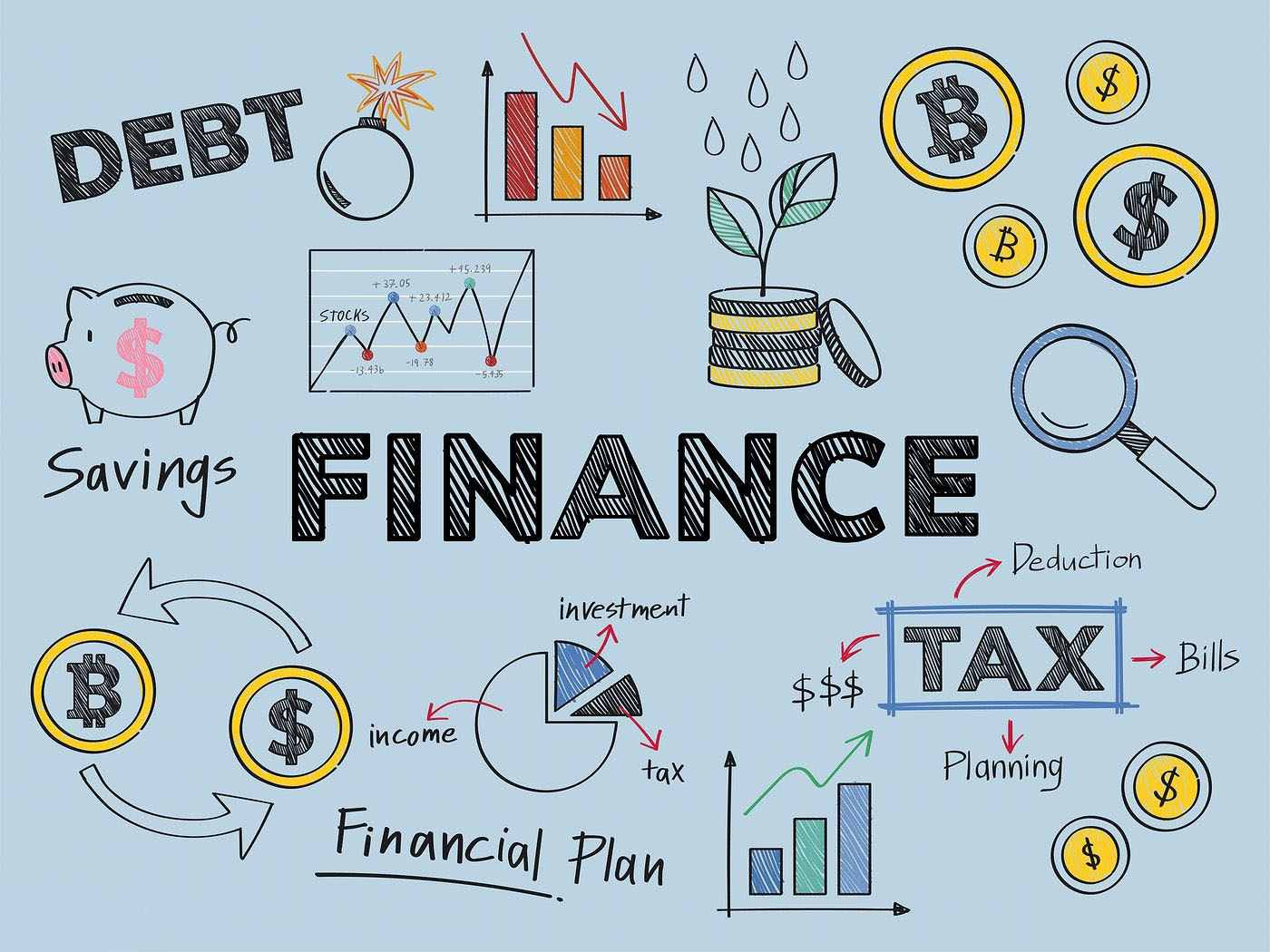
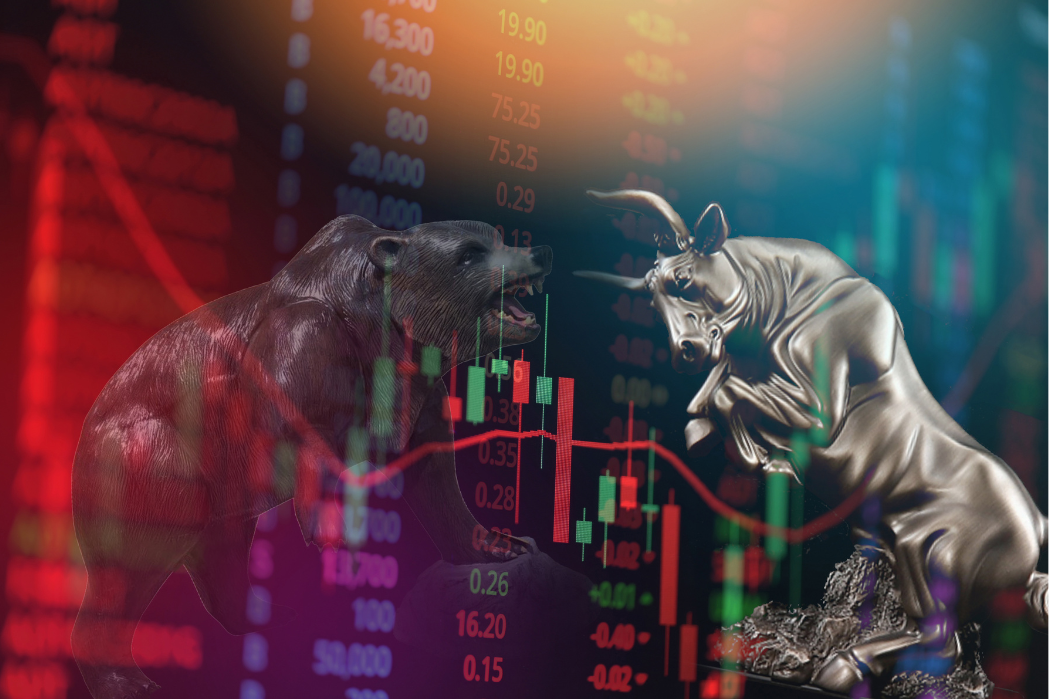
Financial market trends and investment opportunities

The financial markets are a complex ecosystem that includes a wide range of instruments such as indices, equities, ETFs, funds, commodities, currencies, cryptocurrencies, and bonds. Each of these categories plays a crucial role in shaping the global economy and investment strategies. Understanding these instruments is essential for investors looking to make informed decisions.

Indices

Indices serve as benchmarks for the performance of various market segments. They provide a snapshot of the overall health of the economy or specific sectors. Major indices like the S&P 500, Dow Jones, and Nasdaq are closely watched by investors and analysts alike. These indices reflect the performance of large-cap companies and are often used to gauge the direction of the broader market.

Equities

Equities represent ownership in a company and are traded on stock exchanges. Investors can buy and sell shares of publicly listed companies, which allows them to participate in the growth and profitability of those firms. The stock market is influenced by a variety of factors, including economic indicators, corporate earnings, and geopolitical events.

ETFs

Exchange-Traded Funds (ETFs) are investment vehicles that track a specific index, commodity, or basket of assets. They offer diversification and are often more cost-effective than traditional mutual funds. ETFs can be bought and sold throughout the trading day, making them a flexible option for investors.

Commodities

Commodities include natural resources such as gold, oil, and agricultural products. These are essential for both industrial and consumer use. The prices of commodities can fluctuate based on supply and demand dynamics, geopolitical tensions, and economic conditions. For example, gold is often viewed as a safe haven during times of uncertainty.

Currencies

Currencies are traded in the foreign exchange market, where they are exchanged against one another. The value of a currency can be influenced by interest rates, inflation, and economic stability. Major currencies like the US Dollar, Euro, and Japanese Yen are frequently traded and are vital for international trade and investment.

Cryptocurrencies

Cryptocurrencies have emerged as a new asset class, with Bitcoin being the most well-known. Their decentralized nature and potential for high returns have attracted significant attention. However, the volatility of cryptocurrencies can lead to substantial gains or losses, making them a high-risk investment.

Bonds

Bonds are debt instruments issued by governments or corporations to raise capital. They offer fixed income to investors and are generally considered lower risk compared to stocks. The bond market is influenced by interest rates and economic conditions, with yields reflecting the perceived risk of the issuer.

Key Market Trends and Insights

Recent trends in the financial markets highlight the dynamic nature of investing. For instance, the price of gold and silver has seen increased forecasts from institutions like UBS, indicating a potential shift in investor sentiment towards precious metals. This trend is often driven by inflation concerns and economic instability.

Bitcoin's recent surge above $120,000 reflects seasonal optimism and growing acceptance of cryptocurrencies as a viable investment. However, altcoins remain rangebound, suggesting that while some digital assets are performing well, others may not be experiencing the same level of momentum.

High valuations in certain stocks can lead to bear markets, as investors may become wary of overpriced assets. This phenomenon underscores the importance of thorough research and analysis when making investment decisions.

Investment Strategies and Opportunities

Investors are increasingly looking for opportunities in healthcare stocks, particularly those positioned to benefit from significant deals or innovations. For example, the Trump-Pfizer deal could potentially open up new avenues for growth in the healthcare sector. Similarly, gold mining stocks are being highlighted as attractive investments due to their potential for appreciation.

Warren Buffett's stocks continue to be popular among investors seeking value, dividends, and upside potential. These stocks often represent stable, long-term investments that can provide consistent returns.

Technical Analysis and Market Sentiment

Technical analysis plays a crucial role in understanding market trends. Tools like moving averages, candlestick patterns, and pivot points help investors identify potential entry and exit points. Recent technical summaries indicate a mix of strong sell and strong buy signals, reflecting the current market sentiment.

Candlestick patterns, such as the Tri-Star Bearish and Engulfing Bearish, suggest possible reversals in price trends. These patterns can be useful for traders looking to capitalize on short-term movements in the market.

Conclusion

The financial markets are ever-evolving, presenting both challenges and opportunities for investors. Understanding the various instruments and their associated risks is essential for making informed decisions. As market conditions change, staying informed and adaptable is key to navigating the complexities of investing.

0 comments
Categories investing

HSBC Trinkaus Call 3417.4547 EUR DAX 31Dec99 Certificate

October 10, 2025

Understanding the Financial Instruments Market

Financial instruments market overview with key asset classes

The financial instruments market is a complex and dynamic ecosystem that encompasses a wide range of assets, including stocks, bonds, commodities, currencies, and cryptocurrencies. This market allows investors to buy, sell, and trade various types of financial products, each with its own unique characteristics and risk profiles. The ability to access real-time data and analysis is crucial for making informed investment decisions.

Types of Financial Instruments

  1. Equities
    Equities represent ownership in a company and are traded on stock exchanges. Investors can buy shares of publicly listed companies, which provide potential for capital appreciation and dividends. Major indices such as the S&P 500, Dow Jones, and Nasdaq serve as benchmarks for the performance of the stock market.

  2. Indices
    Indices track the performance of a specific group of stocks or other assets. They provide a snapshot of market trends and are used by investors to gauge the overall health of the economy. Examples include the DAX, FTSE 100, and Nikkei 225.

  3. Commodities
    Commodities are raw materials or primary agricultural products that can be bought and sold, such as gold, oil, and copper. These assets are often used as a hedge against inflation and are influenced by global supply and demand dynamics.

  4. Currencies
    Currency trading involves buying and selling different national currencies. The foreign exchange (forex) market is the largest and most liquid financial market in the world, offering opportunities for both short-term and long-term traders.

  5. Cryptocurrencies
    Cryptocurrencies like Bitcoin and Ethereum have gained significant attention in recent years. They operate on decentralized networks and offer an alternative to traditional financial systems. The price of cryptocurrencies can be highly volatile, presenting both risks and rewards for investors.

  6. Bonds
    Bonds are debt instruments issued by governments or corporations to raise capital. They typically offer regular interest payments and return the principal at maturity. Investors can choose from various types of bonds, including government bonds, corporate bonds, and municipal bonds.

  7. ETFs (Exchange-Traded Funds)
    ETFs are investment funds that trade on stock exchanges, similar to individual stocks. They provide diversification and are often used to gain exposure to a broad range of assets, such as indices, sectors, or commodities.

  8. Funds
    Funds are pooled investments managed by professional fund managers. They can include mutual funds, index funds, and hedge funds, each with different investment strategies and risk levels.

  9. Certificates
    Certificates are financial instruments that derive their value from an underlying asset or index. They can be structured as options, futures, or other derivatives, offering various ways to gain exposure to the market.

Key Trends and Insights

The financial instruments market is constantly evolving, driven by economic indicators, geopolitical events, and technological advancements. Recent trends indicate a growing interest in alternative investments, such as cryptocurrencies and commodities, as investors seek diversification and higher returns.

Market Performance

  • Stock Markets: The S&P 500 and Nasdaq have shown positive performance, reflecting investor confidence in the tech sector. However, the market remains sensitive to macroeconomic factors such as interest rates and inflation.
  • Commodities: Gold and silver prices have increased, driven by inflation concerns and safe-haven demand. Crude oil prices have also seen fluctuations due to supply chain disruptions and geopolitical tensions.
  • Cryptocurrencies: Bitcoin has surpassed $120,000, fueled by seasonal optimism and increased institutional interest. Altcoins remain rangebound, indicating a more cautious approach among investors.

Investment Strategies

  • Diversification: Spreading investments across different asset classes can help mitigate risk and enhance returns. A well-diversified portfolio may include a mix of equities, bonds, and commodities.
  • Technical Analysis: Many investors use technical indicators and chart patterns to identify potential entry and exit points. Tools like moving averages and candlestick patterns can provide valuable insights into market trends.
  • Fundamental Analysis: Evaluating the financial health of companies and economic indicators can help investors make informed decisions about which assets to buy or sell.

Conclusion

The financial instruments market offers a wide array of opportunities for investors, but it also comes with inherent risks. Understanding the different types of financial instruments, monitoring market trends, and employing sound investment strategies are essential for navigating this complex landscape. As the market continues to evolve, staying informed and adaptable will be key to achieving long-term success.

0 comments
Categories investing

Vontobel Call 24.5 EUR Unilever N.V. 31Dec99 Certificate

October 09, 2025

Overview of Financial Instruments and Market Trends

Financial market trends and investment opportunities

The financial market is a complex ecosystem that includes a wide range of instruments such as equities, indices, commodities, currencies, cryptocurrencies, bonds, and certificates. Each of these instruments plays a unique role in the global economy and offers different opportunities for investors.

Equities and Indices

Equities represent ownership in a company and are traded on stock exchanges. Indices, on the other hand, are benchmarks that reflect the performance of a specific segment of the market. Major indices like the S&P 500, Dow Jones, and Nasdaq provide insights into the overall health of the stock market. These indices are closely watched by investors and analysts to gauge market trends and make informed decisions.

Commodities and Currencies

Commodities include precious metals like gold and silver, energy sources such as crude oil and natural gas, and agricultural products like wheat and soybeans. The prices of these commodities are influenced by various factors including supply and demand, geopolitical events, and economic indicators. Currencies, including major ones like the US Dollar, Euro, and Japanese Yen, are also significant in the financial market. Their values fluctuate based on interest rates, inflation, and economic stability.

Cryptocurrencies and Bonds

Cryptocurrencies, such as Bitcoin and Ethereum, have gained popularity as alternative investments. Their prices are highly volatile and can be affected by technological advancements, regulatory changes, and market sentiment. Bonds, which are debt instruments issued by governments or corporations, offer a more stable investment option. They provide regular income through interest payments and are often considered a safer investment compared to stocks.

Key Market Updates and Analysis

Recent market updates highlight the dynamic nature of the financial landscape. For instance, UBS has raised its price forecasts for gold and silver, indicating a potential increase in their value. This move reflects the ongoing demand for safe-haven assets amid economic uncertainties. Additionally, the Bitcoin price has surged above $120,000, driven by seasonal optimism and increased adoption of cryptocurrencies.

Impact of High Valuations on Market Trends

High valuations can significantly influence market trends. When asset prices are perceived as overvalued, it may lead to a bear market characterized by declining prices and investor pessimism. Analysts often assess whether current valuations are justified by fundamental factors such as earnings growth, revenue, and market conditions. Understanding these dynamics is crucial for investors looking to navigate the market effectively.

Investment Opportunities and Strategies

Investors are constantly seeking opportunities to grow their wealth. Several strategies are employed to achieve this, including long-term investing, short-term trading, and diversification. For example, healthcare stocks positioned to soar after a Trump-Pfizer deal present an attractive opportunity for investors. Similarly, gold mining stocks are gaining attention due to their potential for substantial returns.

Technical Analysis and Market Sentiment

Technical analysis involves studying historical price data and chart patterns to predict future price movements. Tools such as moving averages, candlestick patterns, and technical indicators help investors make informed decisions. Market sentiment, which reflects the overall mood of investors, also plays a critical role in shaping market trends. Positive sentiment can drive prices higher, while negative sentiment can lead to declines.

Conclusion

The financial market is a multifaceted environment with numerous instruments and strategies available for investors. Understanding the intricacies of each instrument and staying updated on market trends is essential for making informed investment decisions. Whether it's through equities, commodities, cryptocurrencies, or bonds, investors have various options to explore. By leveraging analytical tools and staying attuned to market sentiments, investors can navigate the complexities of the financial market effectively.

0 comments
Categories investing

Vontobel GmbH Call Solactive China Automobile Performance-Index 31Dec99 Certificate

October 09, 2025

Overview of the Financial Market Landscape

Global financial market instruments including equities, indices, ETFs, commodities, currencies, and cryptocurrencies

The financial market landscape is a complex and dynamic environment, characterized by a wide array of instruments ranging from equities and indices to commodities, currencies, and cryptocurrencies. This diversity allows investors to explore various opportunities, each with its own set of risks and rewards. Understanding this ecosystem is crucial for anyone looking to navigate the markets effectively.

Key Instruments in the Financial Markets

  • Equities: These represent ownership in a company and are traded on stock exchanges. Popular stocks include tech giants like Apple, Tesla, and Amazon, which have shown significant performance over time.
  • Indices: Indices such as the S&P 500, Dow Jones, and Nasdaq provide a snapshot of the overall market performance. They are essential for gauging the health of the economy and specific sectors.
  • ETFs (Exchange-Traded Funds): These funds track a particular index or asset and offer a diversified investment option. They are popular among both retail and institutional investors due to their flexibility and cost-effectiveness.
  • Commodities: Including precious metals like gold and silver, energy sources such as crude oil, and agricultural products. Commodities often serve as a hedge against inflation and economic uncertainty.
  • Currencies: The foreign exchange market is the largest financial market globally, with major currencies like the US Dollar, Euro, and Japanese Yen being frequently traded.
  • Cryptocurrencies: Digital assets like Bitcoin and Ethereum have gained significant traction, offering new investment avenues but also posing unique risks due to their volatility.

Market Trends and Performance

Recent trends indicate that certain sectors are performing exceptionally well. For instance, the rise in gold and silver prices has been notable, with UBS raising its price forecasts again. This reflects investor sentiment towards safe-haven assets amid economic uncertainties. Additionally, the cryptocurrency market continues to show resilience, with Bitcoin trading above $120k, driven by seasonal optimism.

Cryptocurrency Market Insights

  • Bitcoin: The leading cryptocurrency has seen a surge in value, with altcoins remaining rangebound. This trend highlights the potential for growth in the crypto space, albeit with increased volatility.
  • Altcoins: While Bitcoin leads the charge, many alternative cryptocurrencies are experiencing a period of consolidation, indicating a need for further market development and investor confidence.

Investment Strategies and Analysis

Investors are increasingly focusing on strategies that balance risk and reward. Analysts suggest that high valuations can lead to bear markets, emphasizing the importance of thorough research and diversification. For example, healthcare stocks positioned to soar after a Trump-Pfizer deal highlight the impact of political and regulatory changes on market dynamics.

Key Investment Opportunities

  • Healthcare Stocks: With the potential for growth following significant deals, these stocks present an attractive opportunity for investors seeking long-term gains.
  • Gold Mining Stocks: Given the rising demand for gold, mining stocks are considered a viable investment option, especially in times of economic instability.
  • Warren Buffett Stocks: Stocks that offer value, dividends, and upside potential continue to attract investors who appreciate a long-term approach to wealth accumulation.

Economic Indicators and Market Outlook

Economic indicators play a crucial role in shaping market expectations. The U.S. Treasury yield curve, for instance, provides insights into the health of the economy. Recent data shows that the U.S. 10Y yield has increased, reflecting investor confidence in the economic outlook.

Market Indices Performance

  • S&P 500: Recently showing a slight increase, this index remains a benchmark for the overall health of the U.S. stock market.
  • Dow Jones: Also witnessing a rise, the Dow Jones Industrial Average is closely watched by investors for signs of economic strength.
  • Nasdaq: Known for its focus on technology stocks, the Nasdaq has experienced fluctuations, indicating the need for careful monitoring.

Technical Analysis and Market Tools

Technical analysis tools are essential for investors to make informed decisions. These tools include moving averages, candlestick patterns, and pivot points, which help in identifying trends and potential entry or exit points.

Candlestick Patterns

  • Tri-Star Bullish: Indicates a potential reversal from a downtrend to an uptrend, suggesting a buying opportunity.
  • Tri-Star Bearish: Signals a possible continuation of a downtrend, warning investors of potential losses.

Investor Sentiment and Community Engagement

Community engagement plays a vital role in the financial markets. Investors often share insights and opinions, contributing to a collective understanding of market movements. Platforms like Investing.com facilitate discussions, allowing users to express their sentiments and learn from others.

User Rankings and Discussions

  • User Rankings: Reflect the community's perception of various financial instruments, providing a gauge of popularity and potential performance.
  • Discussions: Engaging in discussions helps investors stay informed about market developments and gain different perspectives.

Risk Management and Investment Decisions

Effective risk management is essential for successful investing. Investors should consider factors such as leverage, volume, and price movements when making investment decisions. Tools like the Fibonacci calculator and pivot point calculator aid in assessing potential market levels.

Key Considerations

  • Leverage: While it can amplify gains, leverage also increases the risk of significant losses.
  • Volume: High trading volumes can indicate strong interest in a particular asset, while low volumes may signal a lack of confidence.
  • Price Movements: Monitoring price changes helps investors identify trends and make timely decisions.

Conclusion

Navigating the financial markets requires a comprehensive understanding of the various instruments, trends, and strategies available. By staying informed and leveraging the right tools, investors can make more informed decisions and potentially achieve their financial goals. As the market continues to evolve, adaptability and continuous learning remain key to success.

0 comments
Categories investing

Investing News Today

October 08, 2025

Introduction to the Trading Challenge

Trading Power multipliers in a financial trading platform

The world of trading is constantly evolving, and with it comes new opportunities for individuals to grow their financial portfolios. A recent initiative has introduced a unique trading challenge that promises to revolutionize how people approach investment. This program offers participants the chance to access substantial trading capital with minimal initial investment, making it an attractive option for both novice and experienced traders.

At the heart of this challenge is the concept of "Trading Power," which allows users to unlock significant trading capital based on their initial investment. For every dollar paid, participants gain access to up to $200 in trading capital. This multiplier effect can be a game-changer for those looking to maximize their potential returns.

How the Challenge Works

The challenge is structured in a way that ensures participants are well-prepared before they start trading. The process involves three key steps:

  1. Select a Challenge: Participants can choose from various challenge sizes ranging from $5,000 to $50,000, each with a corresponding fee.
  2. Trade in a Demo Environment: Before transitioning to a real trading account, participants must demonstrate their skills in a simulated environment, meeting specific profit targets.
  3. Receive a Trader's Account: Once the profit targets are met, participants are granted access to a trader's account where they can keep 80% of the profits they generate.

This structured approach not only helps in building confidence but also ensures that participants are well-equipped to handle real-world trading scenarios.

The Benefits of Joining the Challenge

Joining this challenge offers several advantages that make it appealing to a wide range of individuals. One of the most notable benefits is the opportunity to earn significantly higher returns compared to traditional investment methods. For instance, Bitcoin saw a remarkable 50% increase between October and December 2024, allowing some traders to multiply their profits by 166 times.

Moreover, the challenge provides access to a comprehensive trading course designed to help participants master the markets. This course includes seven lessons covering essential topics such as recognizing trends, identifying high-probability signals, and understanding the psychology of successful trading. These resources are invaluable for anyone looking to enhance their trading skills.

Understanding the Trading Objectives

To ensure that participants are on the right track, the challenge outlines clear trading objectives. These include achieving a 10% profit while adhering to strict loss limits. Specifically, participants must not exceed a 5% daily loss or a 10% total loss. This phase is followed by a second phase where the profit target is slightly adjusted to 5%, allowing for more consistent performance.

Once participants successfully complete these phases, they are awarded a trader's account with up to $50,000 in capital. This account enables them to start earning 80% of the profits generated from their trades, providing a substantial incentive to participate in the challenge.

Real-Time Tracking and Tools

The challenge also offers a robust set of tools to help participants monitor their progress. The Trader Portal allows users to track their challenges in real-time, providing insights into their performance and helping them make informed decisions. Features such as real-time trade tracking and withdrawal options enhance the overall user experience, making it easier for participants to manage their investments effectively.

For example, one participant, Thiago Pires, shared his experience, stating that the platform gave him access to a much larger trading account, which was a significant advantage. Another participant, Dexter Rowe, noted that being able to manage substantial capital without a large personal investment made a noticeable difference in his trading journey.

The Importance of Trust and Reputation

Trust is a critical factor in any trading platform, and this challenge has garnered a strong reputation among traders worldwide. Renata Vázquez highlighted the importance of the platform's strong reputation, which gave her the confidence needed to take on the challenge. This trust is further reinforced by the platform's compliance with all necessary laws and regulations, ensuring a secure and reliable environment for all participants.

Limited Time Offers and Discounts

To encourage participation, the platform is currently offering a limited-time discount. Participants can enjoy up to 30% off on selected challenge packages. For instance, a $5,000 challenge is available for just $69, making it an attractive option for those looking to start their trading journey with minimal investment.

Additionally, there are special offers for those interested in upgrading their accounts. A $10,000 account can be obtained for just $30, providing even more trading power for participants who are ready to take their skills to the next level.

Conclusion

In conclusion, this trading challenge presents a unique opportunity for individuals to access substantial trading capital with minimal initial investment. With its structured approach, comprehensive educational resources, and real-time tracking tools, it offers a valuable platform for both novice and experienced traders. The emphasis on trust, reputation, and limited-time offers further enhances its appeal, making it an excellent choice for those looking to explore the world of trading.

0 comments
Categories investing

Live Futures Market Data - Investing.com

October 08, 2025

Overview of Financial Markets and Investment Platforms

Global financial markets and investment platforms

Financial markets around the world are dynamic, constantly evolving ecosystems that offer a wide range of opportunities for investors. From stock indices to commodities and cryptocurrencies, each market segment plays a crucial role in shaping global economic trends. Understanding these markets is essential for both novice and experienced investors looking to make informed decisions.

The financial landscape includes various instruments such as stocks, bonds, futures, and currencies. These tools allow investors to diversify their portfolios and manage risks effectively. For instance, stock indices like the S&P 500 and Dow Jones provide insights into the overall health of the stock market. Meanwhile, commodities like gold and crude oil serve as hedges against inflation and economic uncertainties.

Investors also have access to real-time data and analytics through platforms that offer live charts, economic calendars, and other tools. These resources help users track market movements, identify trends, and make strategic investment choices. The availability of such data is critical for those who want to stay ahead in the fast-paced world of finance.

Key Financial Instruments and Market Data

The financial markets are supported by a variety of instruments that cater to different investment strategies. Indices, for example, represent the performance of a group of stocks or other assets. Major indices like the S&P 500, Nasdaq, and DAX are widely followed by investors and analysts alike. These indices not only reflect the current state of the market but also provide historical context for long-term investment planning.

Commodities such as gold, crude oil, and natural gas are another significant component of the financial markets. These assets are often used as a hedge against inflation and currency devaluation. Investors can trade commodities through futures contracts, which allow them to speculate on price movements without owning the underlying asset. This flexibility makes commodities an attractive option for those looking to diversify their portfolios.

Cryptocurrencies have emerged as a new frontier in the financial world. Bitcoin, Ethereum, and other digital currencies have gained popularity due to their potential for high returns and decentralized nature. However, they come with their own set of risks, including volatility and regulatory uncertainty. Despite these challenges, many investors view cryptocurrencies as a promising asset class for the future.

Currency Exchange and Global Markets

Currency exchange is a vital aspect of international finance, influencing trade, investment, and economic stability. Major currency pairs such as EUR/USD, USD/JPY, and GBP/USD are closely monitored by traders and analysts. These pairs reflect the relative strength of different economies and are affected by factors such as interest rates, inflation, and geopolitical events.

Exchange rates play a crucial role in determining the cost of imports and exports, affecting businesses and consumers alike. For investors, currency fluctuations can present opportunities for profit, especially through forex trading. However, this market is highly volatile, requiring careful analysis and risk management strategies.

In addition to traditional currencies, the rise of digital currencies has introduced new complexities to the foreign exchange market. Cryptocurrencies like Bitcoin and Ethereum are traded on specialized exchanges, offering investors unique opportunities and challenges. As the market continues to evolve, staying informed about currency trends is essential for making sound investment decisions.

Investment Strategies and Tools

Investors have access to a wide range of tools and strategies to navigate the financial markets. Stock screeners allow users to filter stocks based on specific criteria such as price, volume, and performance. These tools help investors identify potential opportunities and make informed decisions.

Technical analysis is another popular approach used by traders to predict market movements. By analyzing historical price data and using indicators like moving averages and candlestick patterns, investors can gain insights into market trends. This method is particularly useful for short-term trading and can help identify entry and exit points for trades.

For long-term investors, fundamental analysis is often preferred. This approach involves evaluating a company's financial health, industry position, and growth potential. By understanding the underlying factors that drive stock prices, investors can make more informed decisions about their investments.

Market Trends and Economic Indicators

Economic indicators play a significant role in shaping market trends and investor sentiment. Key indicators such as GDP growth, employment rates, and inflation levels provide valuable insights into the overall health of an economy. These metrics are closely watched by investors and analysts, as they can influence market movements and investment strategies.

The Federal Reserve and other central banks also impact financial markets through monetary policy decisions. Interest rate changes, quantitative easing, and other interventions can affect currency values, bond yields, and stock prices. Understanding the implications of these policies is crucial for investors looking to navigate the markets effectively.

In addition to economic indicators, geopolitical events and global crises can have a profound impact on financial markets. Events such as wars, pandemics, and trade disputes can create uncertainty and volatility, prompting investors to adjust their strategies accordingly. Staying informed about these developments is essential for making timely and informed investment decisions.

Conclusion

Financial markets are complex and ever-changing, offering a multitude of opportunities for investors. From stock indices and commodities to currencies and cryptocurrencies, each market segment presents unique challenges and rewards. By understanding the key instruments, tools, and strategies available, investors can make informed decisions and navigate the markets with confidence.

As the financial landscape continues to evolve, staying informed and adaptable is crucial for success. Whether through technical analysis, fundamental research, or leveraging advanced tools, investors must remain vigilant and proactive in their approach. With the right knowledge and strategies, the financial markets can be a powerful tool for achieving long-term wealth and financial goals.

0 comments

Interactive Stock Chart

October 07, 2025

Overview of Financial Instruments and Market Data

Global financial market data visualization with interactive charts and real-time updates

The financial market is a complex ecosystem that includes a wide range of instruments such as indices, equities, ETFs, funds, commodities, currencies, cryptocurrencies, bonds, and certificates. Each of these categories plays a vital role in the global economy and offers different opportunities for investors.

Indices

Indices serve as benchmarks for measuring the performance of a particular segment of the financial market. Major indices like the S&P 500, Dow Jones, and Nasdaq 100 provide insights into the health of the stock market. Futures contracts on these indices allow traders to speculate on future price movements, offering a way to hedge against market volatility or gain exposure to broad market trends.

Equities

Equities, or stocks, represent ownership in a company. Investors can choose from a vast array of stocks across different sectors, including technology, healthcare, finance, and more. The stock market is dynamic, with prices influenced by factors such as earnings reports, economic indicators, and geopolitical events. Tools like stock screeners help investors identify potential investment opportunities based on specific criteria.

ETFs and Funds

Exchange-Traded Funds (ETFs) and mutual funds offer diversified portfolios that track specific indices or asset classes. These investment vehicles are popular among both retail and institutional investors due to their flexibility and cost-effectiveness. ETFs can be traded throughout the day, while mutual funds are priced at the end of each trading day.

Commodities

Commodities include precious metals like gold and silver, energy sources such as crude oil and natural gas, and agricultural products like wheat and corn. Prices for these goods are influenced by supply and demand dynamics, global economic conditions, and geopolitical events. Real-time data on commodity prices helps traders make informed decisions.

Currencies

Currencies are traded in the foreign exchange (forex) market, which is the largest and most liquid financial market in the world. Currency pairs like EUR/USD and USD/JPY are commonly traded, with exchange rates fluctuating based on interest rates, inflation, and economic performance. Tools like currency converters and real-time charts assist traders in analyzing currency movements.

Cryptocurrencies

Cryptocurrencies have gained significant attention in recent years, with Bitcoin and Ethereum leading the market. These digital assets operate on decentralized networks and offer an alternative to traditional financial systems. The cryptocurrency market is highly volatile, with prices often influenced by investor sentiment, regulatory developments, and technological advancements.

Bonds and Certificates

Bonds are debt instruments issued by governments and corporations to raise capital. They provide a steady stream of income through interest payments and are considered lower-risk investments compared to stocks. Certificates, such as fixed-income securities, offer similar benefits but may come with different terms and conditions.

Market Analysis and Investment Strategies

Investors often rely on market analysis to make informed decisions. Key factors to consider include economic indicators, central bank policies, and geopolitical events. Analysts provide insights into market trends, helping investors navigate the complexities of the financial landscape.

Technical Analysis

Technical analysis involves studying historical price data and chart patterns to predict future price movements. Tools like moving averages, pivot points, and candlestick patterns are used to identify potential entry and exit points for trades. This approach is particularly useful for short-term traders looking to capitalize on market fluctuations.

Fundamental Analysis

Fundamental analysis focuses on evaluating the intrinsic value of a company or asset based on financial statements, industry position, and economic conditions. This method is commonly used by long-term investors who seek to understand the underlying factors affecting an asset's value.

Risk Management and Trading Tools

Trading in financial markets carries inherent risks, and effective risk management is essential for long-term success. Traders should be aware of the potential for losses and use tools such as stop-loss orders and position sizing to manage risk effectively.

Economic Calendar

An economic calendar provides information on upcoming economic events, such as interest rate decisions and employment data. These events can significantly impact market volatility, making it crucial for traders to stay informed.

Currency Correlation

Understanding currency correlations helps traders identify relationships between different currency pairs. This knowledge can be used to diversify portfolios and reduce risk exposure.

Conclusion

The financial market is a dynamic and ever-evolving landscape that offers numerous opportunities for investors. By understanding the various instruments available and employing effective strategies, investors can navigate this complex environment with confidence. Staying informed about market trends, economic indicators, and regulatory developments is essential for making well-informed investment decisions.

0 comments
Categories investing

Silver Futures Technical Analysis

October 04, 2025

Overview of Financial Markets and Investment Tools

Silver Futures Technical Analysis Chart Showing Moving Averages and RSI Indicators

Financial markets around the globe are constantly evolving, offering a wide array of investment opportunities. From stock indices to commodities, currencies, and cryptocurrencies, investors have access to a diverse range of assets that can be traded on various platforms. These markets provide real-time data, historical trends, and analytical tools to help traders make informed decisions.

The financial landscape is supported by numerous tools and resources designed to assist investors in navigating these complex systems. One such tool is the Stock Screener, which allows users to filter stocks based on specific criteria such as price, volume, and performance metrics. This feature is particularly useful for identifying potential investment opportunities or tracking market movements.

Another essential tool is the Currency Converter, which helps investors understand the value of different currencies in real time. With global trade and investment flows constantly shifting, having an accurate and up-to-date currency conversion system is crucial for making informed financial decisions.

Key Market Indices and Performance Metrics

Indices play a vital role in representing the overall health of financial markets. Major indices like the S&P 500, Dow Jones, and Nasdaq are widely followed by investors and analysts alike. These indices reflect the performance of large-cap companies and serve as benchmarks for market trends.

For instance, the S&P 500 has shown a recent increase of +0.39%, while the Dow Jones has recorded a +0.80% rise. The Nasdaq, known for its focus on technology stocks, has seen a +0.19% growth. These figures highlight the dynamic nature of the stock market and the importance of monitoring key indices for investment strategies.

In addition to stock indices, commodity markets also offer significant opportunities. Gold, for example, has experienced a +1.12% increase, while silver futures have surged by +4.04%. These fluctuations are influenced by factors such as inflation, geopolitical events, and economic indicators, all of which can impact investor sentiment and trading decisions.

Technical Analysis and Market Indicators

Technical analysis is a critical component of financial market research. It involves studying historical price data and using various indicators to predict future price movements. Some of the most commonly used technical indicators include:

  • RSI (Relative Strength Index): Measures the speed and change of price movements, indicating overbought or oversold conditions.
  • MACD (Moving Average Convergence Divergence): Helps identify trend direction and momentum.
  • ADX (Average Directional Index): Assesses the strength of a trend.
  • Williams %R: Provides insights into overbought and oversold levels.

These indicators are often used in conjunction with moving averages, which can signal potential buy or sell points. For example, if the MA5 (5-day Moving Average) is above the MA20 (20-day Moving Average), it may indicate a bullish trend.

Pivot Points and Trading Strategies

Pivot points are another important aspect of technical analysis. They help traders identify key support and resistance levels, which can be used to determine entry and exit points for trades. Different types of pivot points, such as Classic, Fibonacci, and Camarilla, provide varying levels of insight into market dynamics.

For instance, the Classic Pivot Point for silver futures is calculated at 47.675, with support levels at 46.987 and 47.165, and resistance levels at 48.008 and 48.185. These levels can guide traders in making strategic decisions based on current market conditions.

Currency Markets and Exchange Rates

The currency market is one of the largest and most liquid financial markets globally. It involves the exchange of currencies, with major pairs such as EUR/USD, GBP/USD, and USD/JPY being closely watched by investors. Exchange rates are influenced by a variety of factors, including interest rates, inflation, and economic performance.

For example, the Dollar Index has recently shown a -0.18% decline, indicating a weaker U.S. dollar against other major currencies. This movement can impact international trade and investment flows, making it essential for investors to monitor currency trends closely.

Cryptocurrency and Digital Assets

Cryptocurrencies have gained significant traction in recent years, with Bitcoin, Ethereum, and other digital assets becoming increasingly popular among investors. These assets are characterized by high volatility and are often traded on specialized exchanges.

The Bitcoin Futures CME market provides a regulated platform for trading Bitcoin, allowing investors to hedge their positions or speculate on price movements. As of the latest data, BTC/USD has shown a +0.04% increase, reflecting ongoing interest in this digital asset.

Investment Ideas and Market Trends

Investors are always seeking new ideas and strategies to enhance their portfolios. One approach is to follow AI-powered stock picks, which use algorithms to identify potentially profitable investments. These strategies can be tailored to different market conditions, such as Tech Titans, Top Value Stocks, and Best of Buffett.

Additionally, ETFs (Exchange-Traded Funds) offer a diversified way to invest in various asset classes, from equities to commodities. ETFs like the SPDR S&P 500 and iShares MSCI Emerging Markets provide exposure to broad market indices, making them a popular choice for both novice and experienced investors.

Risk Management and Investor Education

Trading in financial instruments and cryptocurrencies involves inherent risks, including the possibility of losing some or all of your investment. It is essential for investors to understand these risks and implement effective risk management strategies. This includes setting stop-loss orders, diversifying portfolios, and staying informed about market developments.

Educational resources such as Investing Challenges and ProPicks AI can help investors improve their knowledge and skills. These platforms offer interactive learning experiences and expert insights, enabling users to make more informed investment decisions.

Conclusion

The financial markets are complex and ever-changing, offering a wide range of opportunities for investors. By leveraging tools such as stock screeners, technical analysis, and risk management strategies, investors can navigate these markets more effectively. Staying informed about market trends, economic indicators, and technological advancements is crucial for long-term success in investing. Whether you're a seasoned trader or a beginner, understanding the dynamics of financial markets is essential for achieving your investment goals.

0 comments
Categories investing

Soft Futures Prices Investing.com

October 03, 2025

Overview of Financial Markets and Investment Platforms

Global financial markets and investment platforms with real-time data visualization

The financial markets have become a central hub for investors, traders, and analysts seeking to understand and participate in global economic trends. These markets encompass a wide range of instruments, from stocks and commodities to currencies and cryptocurrencies. The complexity of these markets has led to the development of numerous platforms that provide real-time data, analysis tools, and investment opportunities.

One such platform is Investing.com, which serves as a comprehensive resource for financial information. It offers a vast array of features, including real-time market data, news updates, and analytical tools designed to help users make informed decisions. The site caters to both novice and experienced investors by providing access to various financial instruments and market indices.

Key Features of Financial Market Platforms

Financial market platforms like Investing.com are equipped with several essential features that enhance user experience and decision-making:

  • Real-Time Data: Users can access live market data for indices, stocks, commodities, and currencies. This includes detailed price movements, volume, and performance metrics.
  • Market Analysis: Tools such as technical analysis, candlestick patterns, and pivot points are available to help users interpret market trends.
  • News and Insights: Regular updates on economic indicators, company earnings, and global events keep users informed about factors that influence market behavior.
  • Educational Resources: Many platforms offer educational content, webinars, and guides to help users improve their understanding of financial markets.

Commodities and Futures Markets

Commodities play a significant role in the global economy, serving as essential inputs for industries and as investment vehicles. The futures market allows traders to buy or sell commodities at a predetermined price and future date. This mechanism helps manage price volatility and provides opportunities for speculation.

Key commodities include metals, energy products, grains, and softs. For instance, gold and silver are often seen as safe-haven assets during times of economic uncertainty. Crude oil and natural gas are critical for energy production and transportation. Agricultural products such as wheat, corn, and soybeans are also traded extensively.

Futures contracts for these commodities are listed on exchanges, where traders can monitor prices and execute trades. The data provided includes details such as the last price, high, low, change, and percentage change, offering insights into market dynamics.

Currency Exchange and Foreign Exchange Markets

The foreign exchange (forex) market is one of the largest and most liquid financial markets globally. It involves the trading of currencies, with major pairs such as EUR/USD, USD/JPY, and GBP/USD being among the most actively traded. The forex market operates 24 hours a day, five days a week, allowing traders to respond to global events in real time.

Platforms like Investing.com provide currency rates, forward rates, and exchange rate tables. These tools help users track fluctuations and make informed trading decisions. Additionally, currency converters are available to facilitate transactions between different currencies.

Cryptocurrency and Digital Assets

Cryptocurrencies have gained significant traction in recent years, with Bitcoin, Ethereum, and other digital assets becoming increasingly popular. These decentralized currencies operate on blockchain technology, offering transparency and security. The cryptocurrency market is highly volatile, with prices fluctuating rapidly based on market sentiment, regulatory developments, and technological advancements.

Investing.com offers real-time data on cryptocurrency prices, including Bitcoin (BTC/USD), Ethereum (ETH/USD), and other popular coins. Users can track performance metrics, analyze trends, and stay updated on market news. The platform also provides information on cryptocurrency futures, enabling traders to hedge their positions or speculate on price movements.

Stock Markets and Equity Investments

Stock markets are vital components of the financial ecosystem, allowing companies to raise capital and investors to participate in the growth of businesses. Major stock indices such as the S&P 500, Dow Jones Industrial Average, and Nasdaq Composite serve as benchmarks for market performance.

Investors can access real-time stock data, including price movements, trading volumes, and company earnings reports. Tools like stock screeners and analyst ratings help users identify potential investment opportunities. Additionally, platforms offer insights into market trends, helping investors make informed decisions.

Investment Strategies and Tools

To navigate the complexities of financial markets, investors often rely on various strategies and tools. These include:

  • Technical Analysis: Using historical price data and chart patterns to predict future price movements.
  • Fundamental Analysis: Evaluating a company's financial health, industry position, and economic factors to determine its intrinsic value.
  • Risk Management: Implementing strategies to mitigate potential losses, such as diversification and stop-loss orders.
  • AI-Powered Tools: Leveraging artificial intelligence to analyze market data and generate investment recommendations.

Many platforms offer AI-powered stock picks, providing users with data-driven insights to enhance their investment strategies.

Educational Resources and Learning Opportunities

For those new to investing, educational resources are invaluable. Platforms like Investing.com offer a range of learning materials, including tutorials, webinars, and articles. These resources cover topics such as market fundamentals, technical analysis, and risk management, helping users build a solid foundation in financial investing.

Additionally, investment challenges and competitions allow users to test their skills and learn from others. These interactive experiences can be both engaging and informative, fostering a community of knowledgeable investors.

Conclusion

Financial markets are dynamic and ever-evolving, presenting both opportunities and challenges for investors. Platforms like Investing.com provide the necessary tools and resources to navigate these markets effectively. By leveraging real-time data, analysis tools, and educational content, investors can make informed decisions and achieve their financial goals. As the financial landscape continues to change, staying informed and adaptable is crucial for long-term success.

0 comments
Categories investing